
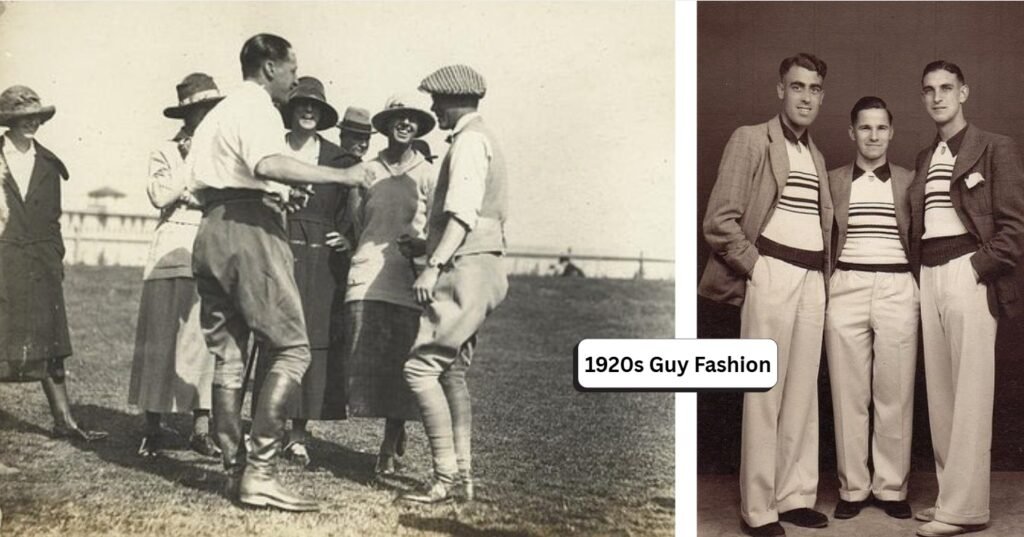

The 1920s, often referred to as the Roaring Twenties, was a period of unprecedented social change, economic growth, and cultural innovation. For men, fashion during this era was not just about clothing—it was a reflection of sophistication, confidence, and modernity. Understanding 1920s guy fashion provides a window into a time when elegance met practicality, and subtle details defined a man’s presence. This guide will explore the nuances of 1920s male style, from suits and hats to shoes and accessories, offering insight into how you can embrace this iconic era in contemporary fashion.
Quick Overview of 1920s Guy Fashion
| Fashion Element | Description | Signature Style |
|---|---|---|
| Suits | Three-piece, high-waisted trousers, tailored jackets | Pinstripes, herringbone patterns |
| Shirts | Collared, often detachable | White or pastel tones |
| Ties | Skinny or bow ties | Geometric patterns |
| Shoes | Leather brogues, oxfords | Polished and formal |
| Hats | Fedora, newsboy caps | Felt or tweed materials |
| Accessories | Pocket watches, cufflinks, suspenders | Gold, silver, or enamel detailing |
The Origins of 1920s Guy Fashion
The early 1920s marked a shift in male fashion influenced by post-World War I dynamics. Men had returned from the war seeking a balance between practicality and sophistication. Traditional heavy Victorian and Edwardian styles were gradually replaced with lighter, more tailored silhouettes that allowed freedom of movement while maintaining a polished appearance. 1920s guy fashion evolved alongside the Jazz Age, speakeasies, and Hollywood glamour, resulting in clothing that emphasized individuality and refinement.
Also Read: Who is Annie Agar All About the Influencer Making Waves Online
Tailored suits became the hallmark of male style. The classic three-piece suit, often paired with a vest and pocket watch, was a symbol of status and sophistication. Men’s attire reflected not only social standing but also a growing sense of personal expression. Fabrics like tweed, wool, and flannel dominated wardrobes, and lighter shades emerged as summer alternatives.
Signature Suits of the 1920s
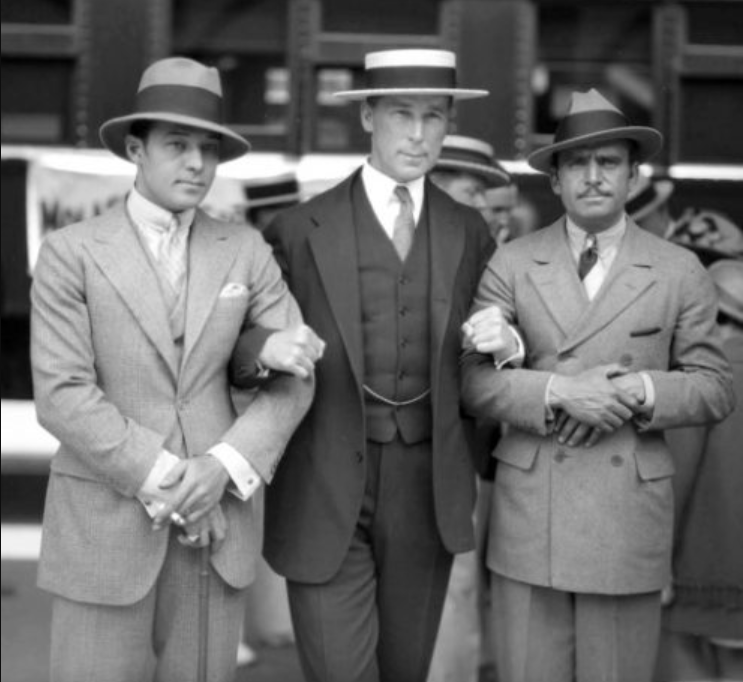
The suit was the centerpiece of 1920s guy fashion. Suits of the era were meticulously tailored, often featuring high-waisted trousers, wide lapels, and structured shoulders. Patterns such as pinstripes, checks, and herringbone were particularly popular, offering a subtle display of personality and taste.
Single-breasted jackets were preferred for casual and semi-formal occasions, while double-breasted jackets signified authority and formality. Suits were often complemented by matching or contrasting vests, completing the classic three-piece look. One of the defining aspects of 1920s men’s suits was the use of natural fabrics, which provided both comfort and elegance.
Shirts and Ties Refining the Ensemble
Shirts in the 1920s were typically collared with detachable collars, allowing men to maintain crispness without frequent washing. White shirts were a staple, symbolizing cleanliness and refinement, though light pastels and subtle stripes were gaining popularity.
Ties were essential in 1920s guy fashion, often skinny or bow-shaped with geometric or Art Deco patterns. The tie was not merely a functional accessory but a statement piece that reflected a man’s attention to detail. When paired with cufflinks and a pocket square, the shirt and tie combination elevated the overall look, reflecting the elegance of the era.
Shoes and Footwear Trends
Footwear during the 1920s emphasized formality and craftsmanship. Leather brogues, oxfords, and wingtip shoes were the preferred choices, meticulously polished to a shine. Shoes often featured perforated detailing, which not only enhanced aesthetics but also demonstrated attention to fine design.
Casual shoes emerged as a lighter alternative for leisure activities, such as boating shoes or saddle shoes, offering comfort without compromising style. The emphasis on footwear underscored the belief that well-chosen shoes could define the man wearing them, completing the visual narrative of 1920s guy fashion.
Hats The Ultimate Accessory
No discussion of 1920s men’s fashion is complete without hats. Hats were not just protective gear; they were a statement of social standing and style. Fedora hats, with their wide brims and creased crowns, became synonymous with sophistication. The newsboy cap, often made of tweed or wool, added a casual flair to everyday attire.
Also Read: Who Is Lynn Markworth All About Betty Sue Lynn’s Daughter
Other styles, such as homburgs and bowlers, were popular among businessmen and formal settings. Materials and trims varied, ranging from felt to silk ribbons, allowing men to subtly express personality while adhering to contemporary trends.
Accessories and Personal Touches
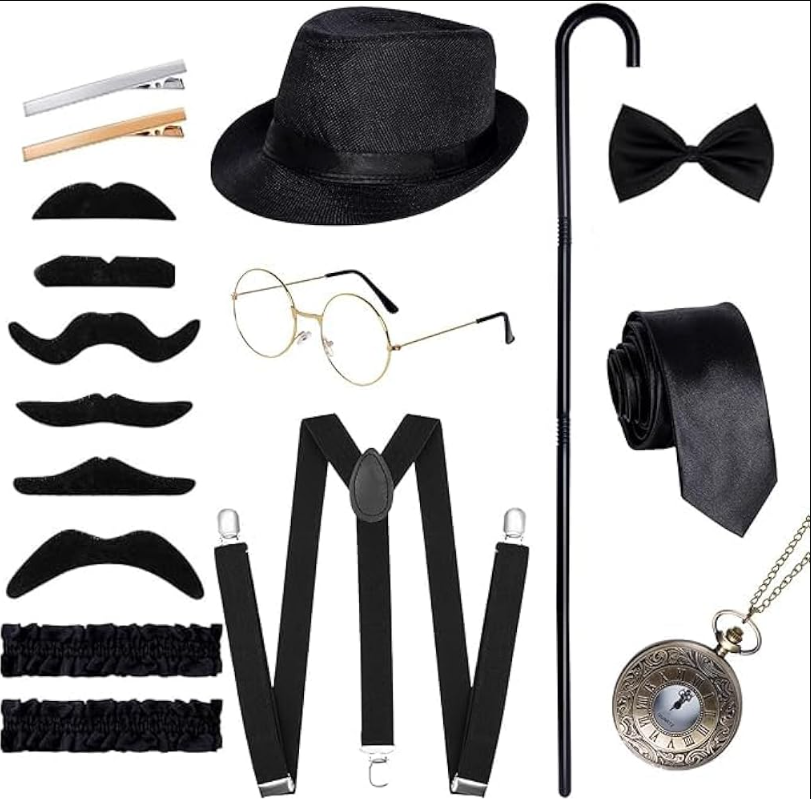
Accessories were a cornerstone of 1920s guy fashion, reflecting attention to detail and personal taste. Pocket watches, often gold or silver, were essential for men who wanted to exhibit punctuality and refinement. Cufflinks, tie pins, and suspenders added sophistication to everyday ensembles.
Men also carried leather gloves and canes, particularly in urban settings, as functional yet fashionable accessories. Even subtle elements like socks or belts were chosen to complement the outfit harmoniously, demonstrating the importance of consistency and thoughtfulness in 1920s male fashion.
Casual Wear and Leisure Trends
While formal wear dominated city life, casual fashion in the 1920s embraced comfort and relaxation. Sweaters, knit vests, and flannel trousers were common for leisure activities. Polo shirts and cardigans made appearances in golf clubs and country outings, combining practicality with style.
Casual wear often included lighter fabrics and muted colors, a departure from the dark, structured suits of formal settings. This shift allowed men to experiment with patterns and textures while maintaining a polished appearance. The balance of comfort and elegance defined the evolving nature of 1920s guy fashion.
The Influence of Hollywood and Media
The golden age of Hollywood had a profound impact on male fashion in the 1920s. Film stars became style icons, inspiring men across the globe to emulate their looks. The sleek suits of Rudolph Valentino and the casual elegance of Fred Astaire set new standards for sophistication.
Cinema helped popularize accessories, hats, and hairstyles, creating a direct link between entertainment and fashion trends. Magazines and newspapers further reinforced these ideals, allowing everyday men to access fashion guidance from the most stylish figures of the era.
Hairstyles and Grooming
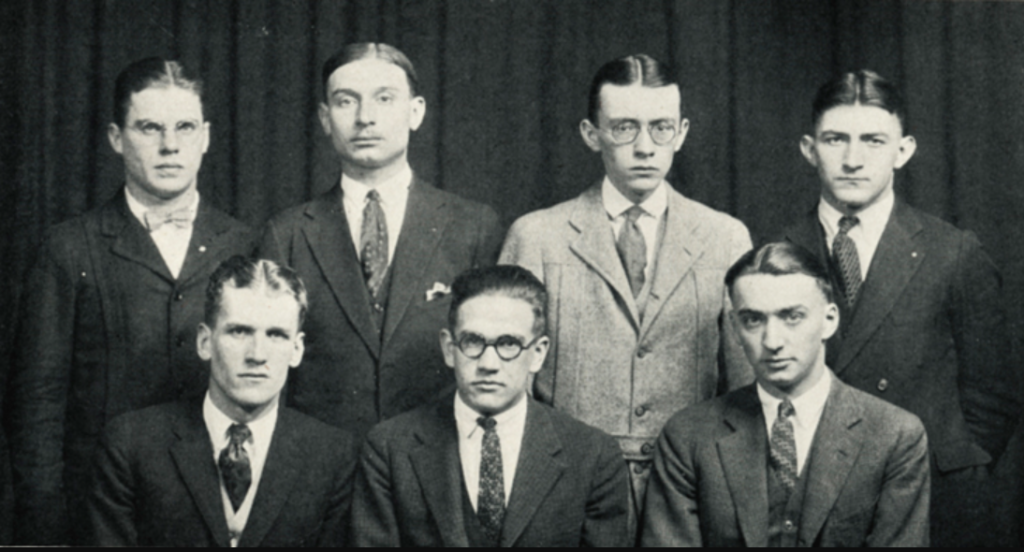
Hairstyles in the 1920s complemented the structured and refined look of 1920s guy fashion. Men favored neatly parted, slicked-back hair, often maintained with pomade for shine and control. Shorter sides and longer tops created a clean silhouette, while mustaches or clean-shaven faces emphasized maturity and elegance.
Grooming became a form of personal expression, signaling sophistication and adherence to social norms. Personal hygiene, hair styling, and beard management were considered as important as clothing in completing the image of a stylish 1920s man.
The Role of Color and Patterns
Colors in 1920s men’s fashion were generally muted and sophisticated. Shades of gray, navy, brown, and black dominated suits, while lighter pastels and subtle patterns appeared in casual or summer attire. Pinstripes and checks were particularly popular, providing texture and visual interest without overwhelming the ensemble.
Patterns extended to accessories like ties, socks, and pocket squares. Geometric patterns inspired by the Art Deco movement allowed men to subtly showcase creativity while adhering to the structured elegance of the decade.
Bringing 1920s Guy Fashion to the Modern Era
Today, elements of 1920s guy fashion continue to influence contemporary menswear. Modern designers often draw inspiration from tailored suits, high-waisted trousers, and vintage accessories. Men can incorporate vintage pieces into daily wear or formal settings, balancing nostalgia with current trends.
Modern adaptations might include slim-fit suits with vintage-inspired patterns, classic oxfords paired with contemporary outfits, or fedoras styled with modern casual wear. Understanding the history and principles behind 1920s fashion ensures that adaptations feel authentic rather than costume-like.
Practical Tips for Embracing 1920s Fashion
To adopt the 1920s style today, start with foundational pieces: a well-fitted three-piece suit, leather dress shoes, and a classic hat. Pair these with contemporary shirts, ties, or vests for a balanced look. Accessories like watches, cufflinks, and pocket squares elevate the style without overwhelming it.
Also Read: Stormuring Meaning, Origins, Uses, and Why It Matters Today
Experimentation is key: blending casual and formal elements from the 1920s with modern fabrics and cuts allows for versatility and comfort. By focusing on quality materials, tailored fits, and cohesive color schemes, men can embody the timeless elegance of 1920s guy fashion.
The Cultural Impact of 1920s Fashion
Beyond aesthetics, 1920s men’s fashion represented cultural and social shifts. The era emphasized individuality, leisure, and the rejection of overly rigid traditions. Fashion became a tool for expressing personal identity, social status, and modernity.
The roaring twenties set the stage for subsequent fashion evolutions, influencing mid-century styles and modern menswear. Recognizing the cultural significance of this era provides deeper insight into why certain elements remain influential today.
Conclusion
1920s guy fashion remains a timeless symbol of elegance, sophistication, and personal expression. From tailored suits and polished shoes to hats and accessories, every detail of the era reflected the cultural dynamism of the time. Modern men can draw inspiration from these classic styles, adapting them with contemporary touches to create a polished, distinctive look. Understanding the history, patterns, and principles of 1920s fashion allows for thoughtful and stylish integration into today’s wardrobe. By embracing these elements, men can honor a legendary era while maintaining relevance in contemporary fashion.
FAQs
What defines 1920s guy fashion?
It is characterized by tailored suits, high-waisted trousers, structured jackets, and elegant accessories, reflecting sophistication and social status.
Can modern men wear 1920s-style clothing?
Yes, modern adaptations blend vintage elements with contemporary fabrics and cuts to achieve a stylish and wearable look.
What accessories were popular in the 1920s?
Pocket watches, cufflinks, hats, suspenders, tie pins, and polished leather shoes were staples of men’s fashion.
How did Hollywood influence 1920s fashion?
Film stars set trends by showcasing sophisticated suits, casual elegance, and distinctive hairstyles, which men across the world emulated.
Which patterns were most common in 1920s men’s suits?
Pinstripes, checks, and herringbone were popular, providing texture and personality to otherwise classic silhouettes.
For more updates visit: The BeeBom



Pingback: Eurogamersonline.com PC Gaming A Comprehensive Guide to Reviews, Technology, and Community - The BeeBom
Pingback: Sonoma Life Style Jacket The Ultimate Guide to Comfort and Style - The BeeBom
Pingback: Limo Pick Up Las Vegas Airport – Luxury Arrival Guide
Pingback: Insoya A Complete Guide to Nutrition, Benefits, and Culinary Uses - The BeeBom
Pingback: 2 x Alberto VO5 Extreme Style Texturising Gum-75ml The Complete Expert Guide - The BeeBom
Pingback: 1920s Guy Fashion A Timeless Guide to Men’s Style in the Roaring Twenties - Open Posts
Pingback: New Fashion Hair Cupertino The Ultimate Guide to Modern Style and Expert Hair Care - The BeeBom