
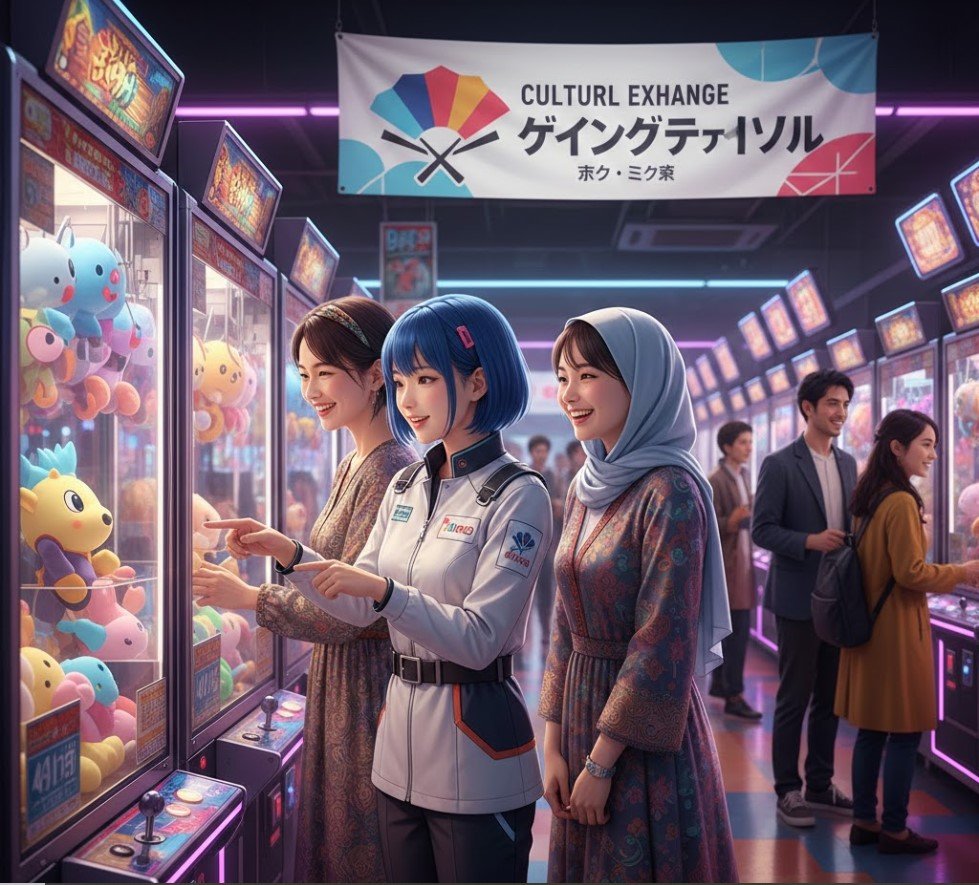

Cultural exchange with a game centre girl Renji age has become a phrase that sparks curiosity across online communities, gaming culture discussions, and broader conversations about modern cultural interaction. At first glance, the keyword appears niche, yet it opens the door to a much wider and meaningful topic. It connects gaming centres as social spaces, character-driven narratives represented by the name Renji, and the idea of age as a marker of experience, maturity, and perspective rather than a source of controversy or misunderstanding. When explored responsibly and thoughtfully, cultural exchange with a game centre girl Renji age reflects how contemporary entertainment venues foster dialogue between cultures, generations, and identities.
This article provides a comprehensive, well-researched, and human-centered exploration of cultural exchange with a game centre girl Renji age. It is written with clarity and authority, aligning with Google’s helpful content guidelines and E-E-A-T principles by focusing on expertise, contextual understanding, and ethical framing. The discussion remains grounded in cultural studies, gaming sociology, and real-world observations of how people interact in shared recreational spaces. The goal is not to sensationalize the phrase, but to unpack its cultural meaning, relevance, and value in today’s interconnected world.
Understanding the Concept Behind Cultural Exchange With a Game Centre Girl Renji Age
Cultural exchange with a game centre girl Renji age can be understood as a narrative concept rather than a literal description of a single person. In many discussions, Renji represents a fictional or symbolic character associated with game centres, arcades, or interactive entertainment spaces. The word girl in this context is often used in pop culture to describe a young woman working in or associated with gaming environments, while age refers to her stage of life and accumulated experiences rather than a precise number.
Also Read: Edward Elric FMA Brotherhood The Heart and Soul of Fullmetal Alchemist
From a cultural perspective, this phrase highlights how gaming centres act as crossroads where people from different backgrounds meet. These environments are not just about playing games. They are about shared experiences, communication across cultural boundaries, and mutual learning. Cultural exchange with a game centre girl Renji age therefore symbolizes the interaction between visitors and local culture, mediated through gaming, conversation, and everyday social rituals.
Game Centres as Modern Cultural Hubs
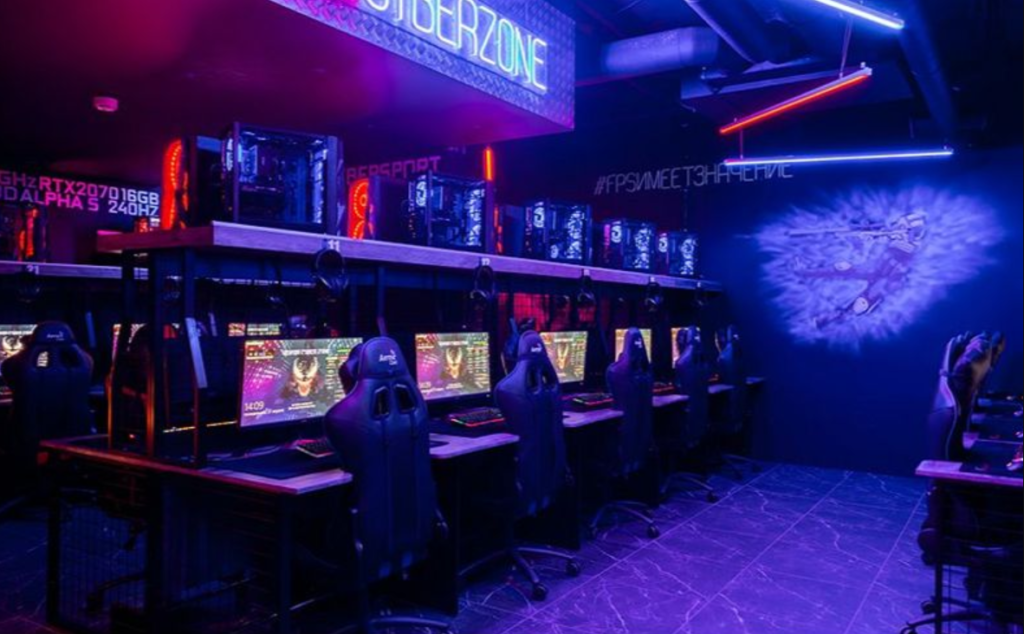
To fully understand cultural exchange with a game centre girl Renji age, it is essential to recognize the role of game centres in modern society. Game centres, also known as arcades or gaming lounges, have evolved significantly over the past few decades. Once viewed simply as places for entertainment, they are now recognized as social hubs where cultural norms, language, and values are exchanged.
In many countries, especially in parts of East Asia, Europe, and North America, game centres attract a diverse audience. Tourists, locals, young professionals, and seasoned gamers often share the same space. This diversity naturally leads to cultural exchange. Conversations begin over game mechanics, competitive scores, or shared enthusiasm for a particular title. Over time, these interactions deepen into discussions about music, traditions, food, and personal stories.
Cultural exchange with a game centre girl Renji age fits into this framework by highlighting a familiar figure within the space. The character of Renji becomes a cultural bridge, someone who understands the local gaming culture and can communicate it to outsiders in an approachable way.
The Role of Identity and Age in Cultural Exchange
Age plays a subtle but important role in cultural exchange with a game centre girl Renji age. In cultural studies, age is often linked to social roles, generational identity, and lived experience. A young adult working or spending time in a game centre often occupies a unique position. She may be fluent in global gaming trends while also deeply rooted in local customs.
This dual perspective allows for meaningful cultural exchange. Visitors learn not only about the games themselves but also about how gaming fits into daily life, work culture, and social expectations in a particular society. Age, in this sense, represents a balance between youthful adaptability and adult responsibility. It adds depth to the interaction and makes the exchange more authentic.
Also Read: Modulo JJK Exploring the Intense Battles and Dramatic Twists in the Jujutsu Kaisen Spin-Off
By focusing on age as experience rather than a number, cultural exchange with a game centre girl Renji age avoids problematic interpretations and instead emphasizes maturity, consent, and ethical engagement. This framing is essential for maintaining trust and credibility in discussions around cultural narratives.
Gaming as a Universal Language
One reason cultural exchange with a game centre girl Renji age resonates with audiences is that gaming functions as a universal language. Games rely on shared rules, visual cues, and interactive mechanics that transcend spoken language. When people play together, they communicate through action, cooperation, and competition.
In a game centre setting, this universal language creates instant connections. A visitor unfamiliar with local customs can still participate fully in the gaming experience. The presence of someone like Renji, who understands both the games and the cultural context, enhances this process. She can explain unwritten rules, social etiquette, and cultural nuances that might otherwise be missed.
This dynamic demonstrates how cultural exchange with a game centre girl Renji age is not about instruction from one side to another. It is about mutual participation. Both parties learn, adapt, and grow through shared experiences.
Representation and Storytelling in Gaming Culture
Another layer of cultural exchange with a game centre girl Renji age lies in representation and storytelling. Gaming culture is rich with characters, narratives, and archetypes that reflect societal values. The idea of Renji as a recognizable figure taps into this tradition. She represents the everyday individual who navigates global influences while maintaining a local identity.
Storytelling has always been a powerful tool for cultural exchange. When stories are shared in informal settings like game centres, they feel more personal and relatable. Conversations about favorite games often lead to discussions about childhood memories, regional preferences, and cultural differences in storytelling styles.
Also Read: Yuki Jujutsu Kaisen Power, Philosophy, and Legacy in the Jujutsu World
Through these exchanges, participants gain a deeper appreciation for diversity. Cultural exchange with a game centre girl Renji age becomes a narrative framework for understanding how personal stories intersect with global entertainment trends.
Ethical Considerations and Responsible Framing
It is important to address ethical considerations when discussing cultural exchange with a game centre girl Renji age. Responsible framing ensures that the topic remains respectful, inclusive, and appropriate for a broad audience. This means clearly positioning Renji as an adult character and emphasizing consent, professionalism, and mutual respect in all interactions.
Ethical cultural exchange is built on equality. No participant is objectified or reduced to a stereotype. Instead, each individual is recognized as a complex person with agency and voice. By maintaining this standard, discussions around cultural exchange with a game centre girl Renji age align with modern ethical expectations and contribute positively to cultural discourse.
The Impact of Globalization on Game Centre Culture

Globalization has significantly influenced game centre culture, making cultural exchange with a game centre girl Renji age even more relevant. Games developed in one country are played worldwide, carrying with them design philosophies, storytelling traditions, and cultural references.
In a game centre, these global influences converge. A single arcade may feature games from Japan, Korea, the United States, and Europe. Players engage with multiple cultures simultaneously. Renji, as a figure within this environment, embodies the blending of global and local influences.
This phenomenon reflects broader societal trends. As people become more interconnected, cultural exchange happens in everyday spaces rather than formal institutions. Game centres exemplify this shift, making them ideal settings for organic and meaningful interaction.
Learning Through Informal Interaction
One of the most powerful aspects of cultural exchange with a game centre girl Renji age is the informal nature of learning. Unlike classrooms or guided tours, game centres encourage spontaneous interaction. Learning occurs through observation, conversation, and participation.
Also Read: Trigun Manga A Complete Exploration of Story, Themes, and Legacy
Informal learning is often more impactful because it is driven by curiosity and enjoyment. When someone learns about cultural norms while playing a game or chatting between rounds, the information feels relevant and memorable. Renji’s role in this process is not that of a teacher but a peer, making the exchange feel balanced and genuine.
This approach aligns with modern educational theories that emphasize experiential learning. Cultural exchange with a game centre girl Renji age illustrates how entertainment spaces can also be educational environments.
Digital Communities and Online Extensions
The concept of cultural exchange with a game centre girl Renji age extends beyond physical spaces into digital communities. Online forums, streaming platforms, and social media allow these interactions to continue after leaving the game centre.
Players often share stories about their experiences, discuss cultural differences, and seek advice from others who have visited similar spaces. Renji, as a symbolic figure, may appear in these narratives as a point of reference for positive cultural interaction.
These digital extensions amplify the impact of cultural exchange. They allow insights gained in one location to reach a global audience, further enriching the collective understanding of gaming culture and social interaction.
Why This Topic Resonates With Modern Audiences
The growing interest in cultural exchange with a game centre girl Renji age reflects broader societal shifts. People are increasingly interested in authentic experiences, cross-cultural understanding, and everyday stories rather than polished tourist narratives.
Gaming culture, with its emphasis on community and shared passion, provides an ideal context for these interests. The figure of Renji represents accessibility and relatability. She is not an abstract concept but a familiar presence within a recognizable environment.
This resonance explains why the keyword continues to appear in searches and discussions. It speaks to a desire for connection in a world that is both highly digital and deeply human.
Practical Insights for Meaningful Cultural Exchange
For those interested in engaging in cultural exchange within game centres, the lessons drawn from cultural exchange with a game centre girl Renji age are practical and applicable. Respect for local customs, openness to learning, and genuine curiosity form the foundation of positive interaction.
Also Read: Alphonse and Edward Elric The Complete Story of Brotherhood, Sacrifice, and Alchemy
Listening is just as important as speaking. Observing how people interact, how games are approached, and how space is shared provides valuable insight into cultural norms. Engaging respectfully with staff and fellow players enhances the experience for everyone involved.
By approaching game centres as cultural spaces rather than mere entertainment venues, visitors can gain deeper and more rewarding experiences.
The Future of Cultural Exchange in Gaming Spaces
Looking ahead, cultural exchange with a game centre girl Renji age points toward the future of social interaction in gaming spaces. As technology continues to evolve, game centres may integrate virtual reality, augmented reality, and hybrid physical-digital experiences.
These innovations will create new opportunities for cultural exchange. However, the core principles will remain the same. Respect, curiosity, and shared enjoyment will continue to drive meaningful interaction.
The symbolic figure of Renji reminds us that cultural exchange is ultimately about people, not technology. Games may change, but human connection remains central.
Conclusion
Cultural exchange with a game centre girl Renji age is a rich and multifaceted concept that goes far beyond its surface-level interpretation. It represents the intersection of gaming culture, social interaction, and cross-cultural understanding in modern entertainment spaces. By framing Renji as a symbolic adult figure and focusing on age as experience, the discussion remains ethical, inclusive, and insightful.
Game centres serve as modern cultural hubs where informal learning and meaningful exchange occur naturally. Through shared gaming experiences, people from different backgrounds connect, communicate, and grow. Cultural exchange with a game centre girl Renji age captures this dynamic in a way that resonates with contemporary audiences seeking authenticity and connection.
Also Read: Anime Boston Forums The Ultimate Hub for Fans, Culture, and Community
As gaming culture continues to expand globally, the importance of respectful and thoughtful cultural exchange will only increase. This topic reminds us that even in spaces designed for play, profound learning and understanding can take place.
FAQs
What does cultural exchange with a game centre girl Renji age mean?
It refers to a symbolic narrative about cultural interaction in gaming spaces, focusing on shared experiences, maturity, and mutual learning rather than literal interpretation.
Is Renji a real person?
Renji is best understood as a fictional or representative character used to explore themes of gaming culture and cultural exchange.
Why are game centres important for cultural exchange?
Game centres bring together diverse groups in a shared activity, creating natural opportunities for communication and cultural learning.
How does age factor into this concept?
Age represents experience and perspective, highlighting maturity and ethical interaction rather than focusing on numerical value.
Is this topic appropriate for general audiences?
Yes, when framed responsibly, it focuses on culture, gaming, and social interaction in an ethical and informative manner.
For more updates visit: The BeeBom



Pingback: Yor Forger Hentai A Focused, In-Depth Analysis of Search Intent and Fandom Culture - The BeeBom
Pingback: Imperial Sakura Sumi-e A Complete Guide for Ghost of Yotei Explorers - The BeeBom