

Insoya is gaining attention among health-conscious consumers, culinary professionals, and food enthusiasts who are seeking flavorful yet mindful dietary choices. Whether you encountered insoya in a recipe, a product label, or during a search for alternatives to traditional soy-based condiments, understanding its role in nutrition and cuisine is essential. As dietary patterns evolve and global flavors continue to blend, interest in soy-derived products has surged—particularly when conversations turn to sodium content, fermentation, and the question of calories insoy sauce.
This comprehensive guide explores what insoya represents, how it connects to soy-based ingredients, its nutritional profile, health implications, culinary versatility, and practical tips for incorporating it into a balanced lifestyle. Drawing on nutritional science, food technology insights, and culinary expertise, this article provides reliable and actionable information aligned with Google’s Helpful Content principles and E-E-A-T standards.
Understanding Insoya and Its Origins
Insoya refers to a soy-derived culinary concept often associated with modern interpretations of soy-based seasonings and condiments. While traditional soy sauce has centuries of history in East Asian cuisine, contemporary variations and derivative products have expanded globally. Insoya embodies this modern adaptation, focusing on refined production methods, nutritional transparency, and consumer awareness.
Soy sauce originated over 2,000 years ago in China and later spread to Japan, Korea, and Southeast Asia. The fermentation process typically combines soybeans, wheat, salt, and specific molds and yeasts to create the deep umami flavor beloved worldwide. Today, global soy sauce production exceeds billions of liters annually, reflecting its essential place in international cooking.
Insoya reflects the modern approach to soy-based flavoring, emphasizing quality sourcing, fermentation integrity, and clarity regarding ingredients such as sodium and calorie content. As consumers increasingly review nutrition labels, especially regarding calories insoy sauce, understanding these elements becomes crucial.
The Nutritional Profile of Insoya
To evaluate insoya properly, we must examine its nutritional composition. Soy-based condiments are typically low in calories but high in sodium. A standard tablespoon of traditional soy sauce contains approximately 8 to 10 calories. This explains why discussions about calories insoy sauce frequently highlight its minimal energy contribution relative to its strong flavor impact.
Protein traces may be present due to fermented soybeans, but the amount is usually negligible per serving. Carbohydrates are minimal, and fats are virtually absent. However, sodium content is significant. A single tablespoon can contain between 800 and 1,000 milligrams of sodium, representing a substantial portion of recommended daily intake.
Modern variations marketed under terms similar to insoya often introduce reduced-sodium formulations, gluten-free options, or naturally brewed methods to address health concerns. When assessing nutritional value, consumers should prioritize transparency in labeling, fermentation methods, and sodium levels.
Fermentation and Flavor Science
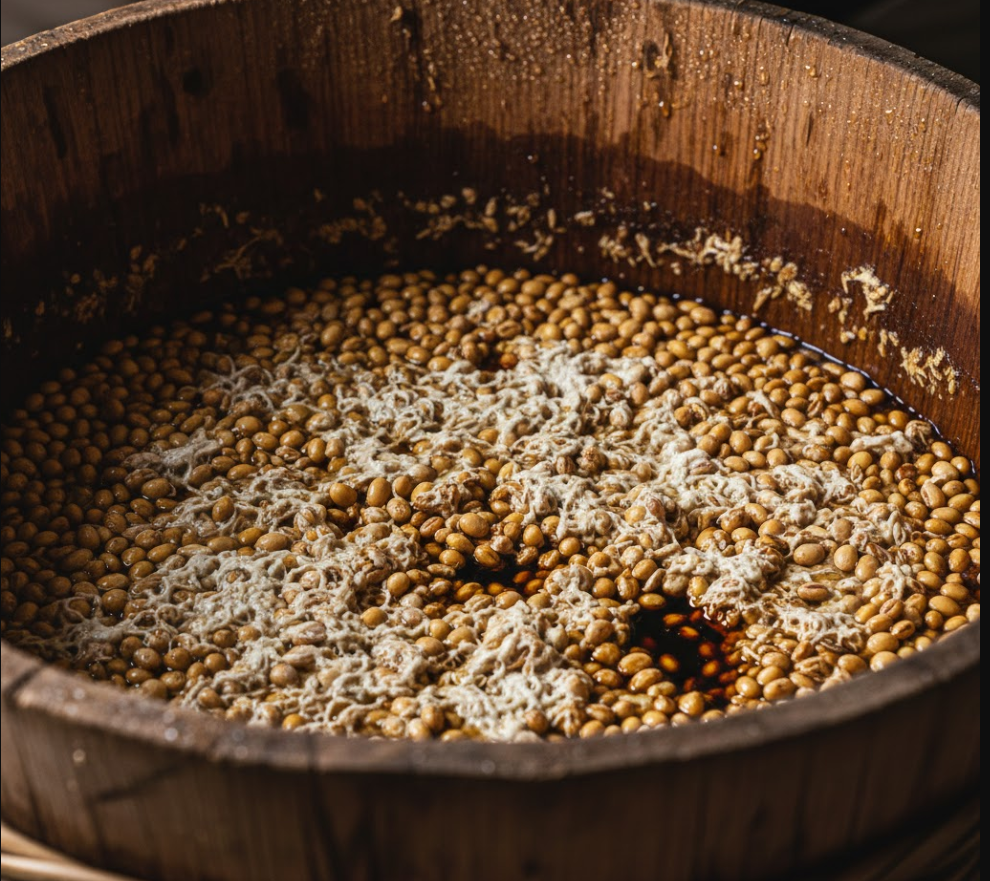
The defining characteristic of soy-based products like insoya lies in fermentation. During fermentation, microorganisms break down proteins into amino acids, particularly glutamic acid, which creates umami flavor. This process can take months in traditionally brewed methods, enhancing complexity and depth.
Scientific research demonstrates that fermentation not only improves flavor but can also enhance digestibility and introduce beneficial bioactive compounds. These compounds may include antioxidants formed during Maillard reactions, contributing to the dark color and aromatic profile.
Also Read: Limo Pick Up Las Vegas Airport The Ultimate Guide to Luxury Airport Transportation
Understanding fermentation helps clarify why a small serving delivers powerful taste while contributing minimal calories insoy sauce. The intensity of flavor reduces the need for large quantities, making it an efficient seasoning.
Health Considerations and Sodium Awareness
While insoya-inspired products are low in calories, sodium remains the primary health consideration. The World Health Organization recommends limiting sodium intake to less than 2,000 milligrams per day. Excess sodium consumption is associated with elevated blood pressure and increased cardiovascular risk.
Reduced-sodium varieties can contain approximately 40 percent less sodium than regular soy sauce. For individuals managing hypertension, kidney conditions, or heart disease risk, choosing lower-sodium options is advisable.
Despite sodium concerns, moderate use within a balanced diet is generally safe for healthy individuals. Because calories insoy sauce are minimal, the primary dietary focus should remain on portion control and sodium management rather than calorie restriction.
Insoya in Culinary Applications
Insoya’s versatility makes it indispensable in diverse cuisines. It enhances marinades, stir-fries, soups, dressings, and even fusion dishes. Chefs value its ability to balance sweet, salty, and savory elements.
In marinades, insoya interacts with proteins to tenderize meat while infusing umami. In vegetarian cooking, it elevates tofu, mushrooms, and legumes, creating depth without added fats. Its low calorie count supports flavor enhancement without significantly increasing energy intake, explaining why awareness of calories insoy sauce remains relevant for weight-conscious individuals.
In baking and unconventional uses, small amounts can intensify chocolate desserts or caramel sauces, adding complexity without overwhelming sweetness.
Comparing Traditional Soy Sauce and Modern Insoya Variants
Traditional soy sauce often contains wheat, making it unsuitable for those with gluten sensitivity. Tamari-style variations, frequently associated with modern insoya branding, may be wheat-free.
Also Read: Veneajelu Exploring the Joy of Boating Adventures
Manufacturing methods differ significantly. Naturally brewed versions undergo extended fermentation, while chemically hydrolyzed sauces rely on acid hydrolysis, reducing production time but potentially altering flavor complexity.
Consumers should examine ingredient lists carefully. Authentic fermentation generally yields richer taste and potentially beneficial compounds. Whether choosing traditional or contemporary variations, calorie content remains minimal, keeping the discussion around calories insoy sauce focused on sodium rather than energy density.
Insoya and Plant-Based Diet Trends
The global shift toward plant-based eating has elevated interest in soy-derived products. Soybeans provide complete plant protein, containing all essential amino acids. Although soy sauce itself offers limited protein per serving, its soy origin aligns with plant-forward dietary philosophies.
Plant-based consumers often seek flavorful seasonings that enhance vegetables and grains without adding excessive calories. Insoya meets this demand effectively. The low caloric contribution supports calorie-controlled meal planning, reinforcing awareness of calories insoy sauce in dietary discussions.
Addressing Common Misconceptions
One misconception is that soy-based condiments significantly contribute to weight gain. In reality, the calorie content per serving is minimal. The primary concern is sodium intake rather than energy density.
Another misunderstanding involves genetically modified soybeans. While some soy crops are genetically modified, many brands offer non-GMO options. Certification labels can provide reassurance.
Concerns about phytoestrogens in soy often arise. Research indicates moderate soy consumption is safe for most individuals and may even offer health benefits such as improved cholesterol profiles.
Practical Tips for Healthier Usage
Incorporating insoya into a healthy lifestyle requires mindful usage. Using it as a finishing drizzle rather than a primary sauce reduces sodium intake. Pairing it with citrus juice, garlic, or vinegar can extend flavor impact while diluting salt concentration.
Cooking techniques also matter. Adding insoya toward the end of cooking preserves its aromatic compounds and prevents excessive reduction, which can concentrate sodium further.
Also Read: Car Rental Business Proposal A Complete Guide to Building a Profitable Mobility Venture
For those monitoring sodium, measuring portions carefully helps maintain dietary balance. Since calories insoy sauce are low, portion control focuses primarily on sodium management rather than calorie limitation.
Insoya in Global Cuisine
Asian cuisines prominently feature soy-based seasonings, but global adaptations continue to evolve. In Japanese cuisine, soy sauce complements sushi and ramen. In Chinese cooking, it enhances stir-fries and braised dishes. Korean recipes integrate it into bulgogi marinades.
Western chefs increasingly incorporate soy-based elements into gravies, barbecue sauces, and gourmet condiments. This cross-cultural expansion underscores the enduring relevance of soy-derived seasonings like insoya.
Sustainability and Environmental Considerations
Soy cultivation plays a significant role in global agriculture. Sustainable sourcing and responsible farming practices are critical to minimizing environmental impact. Consumers can support brands committed to traceable supply chains and sustainable production.
Fermented products typically require fewer additives, aligning with clean-label trends. Choosing traditionally brewed options can support artisanal methods and potentially lower environmental footprint compared to highly industrialized processes.
The Science Behind Umami and Satiety
Umami flavor stimulates taste receptors associated with protein-rich foods. Research suggests that umami-rich seasonings may enhance meal satisfaction, potentially supporting appetite regulation.
By delivering strong flavor with minimal calories, insoya can help create satisfying meals without excessive energy intake. Discussions about calories insoy sauce therefore emphasize its efficiency in flavor delivery rather than caloric burden.
Reading Labels and Making Informed Choices
Consumers should review labels for sodium content per tablespoon and serving size accuracy. Ingredients should ideally include soybeans, water, salt, and possibly wheat if not gluten-free.
Avoid products with excessive artificial additives or flavor enhancers. Transparency in fermentation time and sourcing signals quality.
Conclusion
Insoya represents the evolution of soy-based seasoning in modern cuisine. Rooted in centuries-old fermentation traditions yet adapted to contemporary dietary awareness, it offers bold flavor with minimal caloric impact. While sodium content warrants mindful consumption, its overall nutritional profile supports balanced eating when used responsibly.
Also Read: When Did Newport News Clothing Go Out of Business?
Understanding calories insoy sauce helps clarify misconceptions and guides healthier choices. By prioritizing quality sourcing, reduced-sodium options, and portion awareness, consumers can confidently incorporate insoya into diverse dishes.
As global culinary landscapes continue to merge, soy-derived seasonings remain foundational. Insoya stands as a testament to the enduring power of fermentation, flavor science, and mindful nutrition.
FAQs
What is insoya made from?
Insoya typically derives from fermented soybeans, water, salt, and sometimes wheat, depending on the formulation.
How many calories insoy sauce are there per serving?
A tablespoon generally contains about 8 to 10 calories, making it low in energy but high in flavor.
Is insoya healthy?
When used in moderation and with attention to sodium intake, it can be part of a balanced diet.
Can people with gluten sensitivity use insoya?
Some varieties are gluten-free, but consumers should check labels carefully.
Does insoya support plant-based diets?
Yes, it complements plant-based meals by enhancing flavor without adding significant calories.
For more updates visit: The BeeBom