
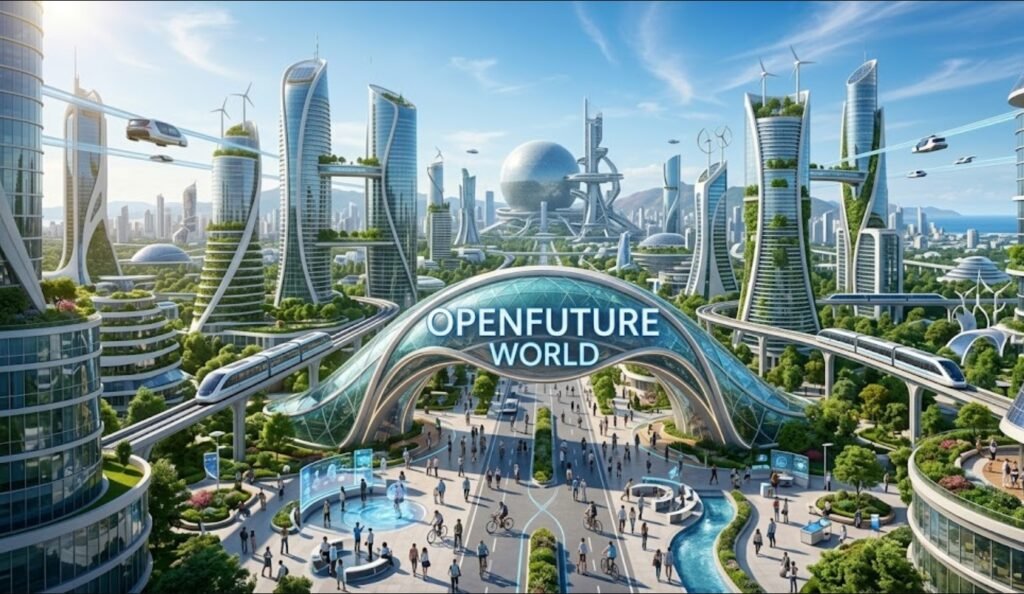

The concept of OpenFuture World is rapidly gaining attention as societies seek more transparent, sustainable, and collaborative ways to innovate and grow. At its core, OpenFuture World represents a future where technology, environmental responsibility, and human progress are deeply interconnected. Rather than isolated advancements, this vision emphasizes openness, shared knowledge, and global cooperation to solve some of the world’s most pressing challenges.
As industries evolve and digital transformation accelerates, the importance of an open and inclusive framework becomes increasingly clear. OpenFuture World is not just an abstract idea but a practical roadmap guiding how governments, businesses, and communities can work together to build a resilient and equitable future.
What Is OpenFuture World?
OpenFuture World refers to a forward-thinking model of development built on transparency, collaboration, and sustainability. It integrates open-source technologies, ethical innovation, and inclusive governance to create systems that benefit society as a whole. This concept encourages the free exchange of ideas and resources while addressing global challenges such as climate change, digital inequality, and economic disparity.
In practice, OpenFuture World can be seen in initiatives like open-source software ecosystems, global climate agreements, and smart city developments that prioritize both efficiency and environmental responsibility. The goal is to create a balanced future where innovation does not come at the expense of social or ecological well-being.
Key Aspects of OpenFuture World
Open-Source Technology and Innovation
A defining element of OpenFuture World is its reliance on open-source technology. Open-source platforms enable developers, organizations, and communities to collaborate freely, accelerating innovation while reducing costs. This approach has already transformed industries through widely used tools such as Linux, blockchain frameworks, and collaborative AI models.
By removing barriers to entry, open-source innovation fosters inclusivity and creativity. It allows startups, researchers, and independent developers to contribute to global progress, ensuring that technological advancements are not controlled by a select few but shared across society.
Sustainability and Environmental Responsibility
Sustainability lies at the heart of OpenFuture World. As climate concerns intensify, the need for environmentally responsible solutions becomes critical. This concept promotes renewable energy adoption, circular economies, and sustainable resource management.
For example, smart grids powered by renewable energy sources are becoming more common, reducing carbon emissions while improving energy efficiency. Open data platforms also enable governments and organizations to track environmental impact and make informed decisions. In this way, OpenFuture World aligns economic growth with ecological preservation.
Digital Transformation and Smart Infrastructure
Digital transformation is another cornerstone of OpenFuture World. The integration of advanced technologies such as artificial intelligence, the Internet of Things, and cloud computing is reshaping how cities and industries operate. Smart infrastructure, including intelligent transportation systems and connected urban environments, enhances efficiency and quality of life.
These innovations are not limited to developed regions. OpenFuture World emphasizes accessibility, ensuring that digital transformation benefits underserved communities as well. Expanding internet access and digital literacy programs are essential steps toward creating a truly inclusive digital ecosystem.
Collaborative Governance and Global Cooperation
OpenFuture World also redefines governance by encouraging transparency and collaboration between governments, businesses, and citizens. Open data initiatives and participatory decision-making processes empower individuals to contribute to policy development.
Global cooperation plays a vital role in addressing challenges that transcend national borders. Climate change, cybersecurity, and public health crises require coordinated efforts, and OpenFuture World provides a framework for such collaboration. By fostering trust and shared responsibility, this approach strengthens international partnerships.
How OpenFuture World Is Transforming Key Industries
Technology Industry
The technology sector is at the forefront of the OpenFuture World movement. Open-source software, decentralized platforms, and collaborative development models are reshaping how products are built and distributed. Companies are increasingly adopting open innovation strategies to remain competitive and responsive to market demands.
This shift not only accelerates technological progress but also promotes ethical practices. Transparency in algorithms and data usage is becoming a priority, ensuring that technology serves the broader public interest.
Energy Sector
In the energy sector, OpenFuture World is driving the transition toward renewable and decentralized energy systems. Solar, wind, and other clean energy sources are being integrated into smart grids, enabling efficient distribution and consumption.
Open data and shared research are helping countries optimize energy production and reduce reliance on fossil fuels. This collaborative approach accelerates the adoption of sustainable energy solutions while addressing global climate goals.
Healthcare and Biotech
Healthcare and biotechnology are experiencing significant transformation under the OpenFuture World framework. Open research platforms and data sharing initiatives are accelerating medical discoveries and improving patient outcomes.
During global health crises, collaborative efforts have proven essential in developing vaccines and treatments بسرعة. OpenFuture World encourages transparency in clinical trials and data analysis, fostering trust and innovation in healthcare systems worldwide.
Education and Learning
Education is another area where OpenFuture World is making a profound impact. Open educational resources, online learning platforms, and global knowledge-sharing networks are expanding access to education.
Students and professionals can now access high-quality learning materials regardless of geographic location. This democratization of education supports lifelong learning and equips individuals with the skills needed to thrive in a rapidly changing world.
The Role of OpenFuture World in Shaping the Future
The influence of OpenFuture World extends far beyond individual industries. It represents a holistic approach to development that prioritizes long-term sustainability, inclusivity, and innovation. By embracing openness and collaboration, societies can address complex challenges more effectively.
One of the most significant benefits of OpenFuture World is its ability to bridge gaps between different sectors and regions. It encourages the sharing of best practices, resources, and knowledge, creating a more interconnected and resilient global community.
As emerging technologies continue to evolve, the principles of OpenFuture World will become increasingly relevant. Ethical considerations, data privacy, and environmental impact will play a central role in shaping how these technologies are developed and deployed.
Conclusion
OpenFuture World offers a compelling vision for the future, where openness, sustainability, and innovation work together to create a better world. By leveraging open-source technologies, promoting environmental responsibility, and fostering global collaboration, this approach addresses some of the most pressing challenges of our time.
As industries and societies continue to evolve, adopting the principles of OpenFuture World will be essential for achieving long-term success and resilience. The path forward requires collective effort, forward-thinking policies, and a commitment to shared progress. Ultimately, OpenFuture World is not just a concept but a practical framework for building a more inclusive and sustainable future.
FAQs
What does OpenFuture World mean?
OpenFuture World refers to a global vision focused on openness, collaboration, and sustainability, where technology and innovation are used responsibly to benefit society.
Why is OpenFuture World important?
It is important because it addresses major global challenges such as climate change, digital inequality, and lack of transparency by promoting collaborative and sustainable solutions.
How does OpenFuture World impact industries?
OpenFuture World transforms industries by encouraging open innovation, sustainable practices, and digital transformation, leading to more efficient and inclusive systems.
Can OpenFuture World benefit developing countries?
Yes, it promotes accessibility and knowledge sharing, helping developing countries adopt advanced technologies and improve infrastructure while maintaining sustainability.
For more updates visit: The BeeBom