
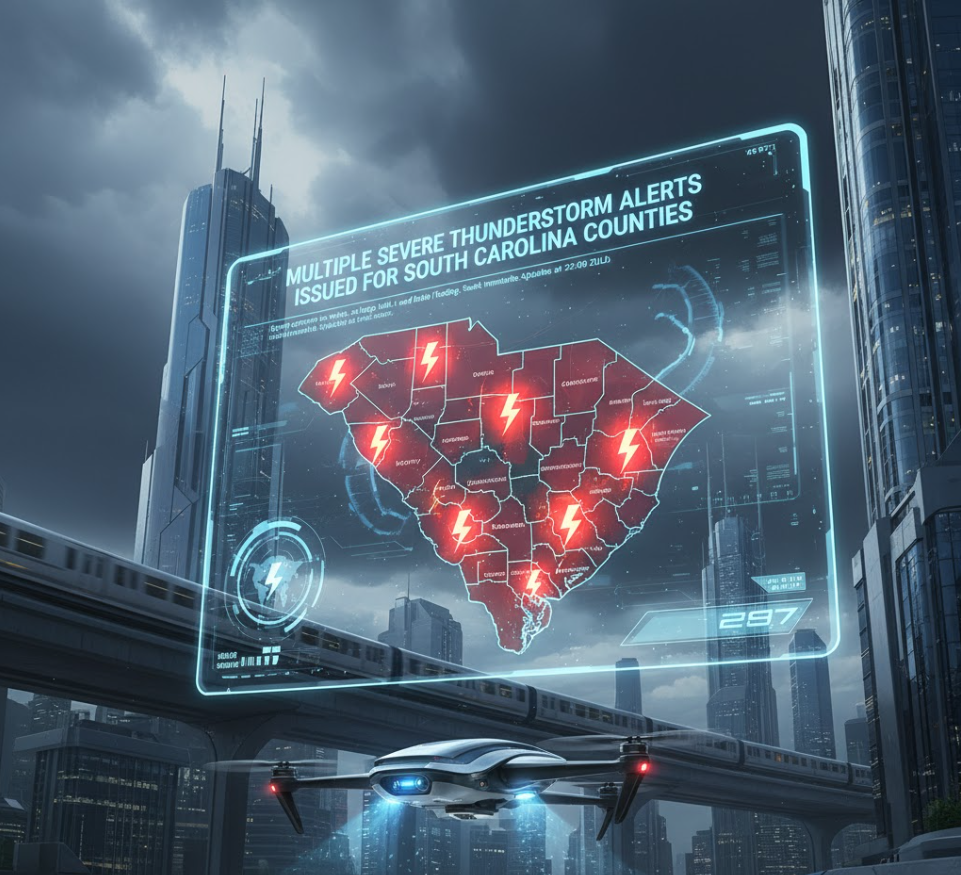

Severe weather can strike with little warning, and when Multiple Severe Thunderstorm Alerts Issued for South Carolina Counties appear on storm tracking systems, residents naturally want to know what’s happening, what it means, and how to prepare. This comprehensive article provides an authoritative, expert explanation of current alerts, weather risk factors in South Carolina, forecast dynamics, safety actions, and community impacts. The goal is to help citizens and businesses understand the evolving situation and act confidently and safely.
In recent widespread storm activity affecting the Southeastern United States, the National Weather Service (NWS) has issued a series of severe thunderstorm and related weather alerts that include counties within South Carolina’s Midlands and other regions. The situation highlights the volatile nature of spring weather in the Palmetto State and emphasizes why preparedness matters for all residents.
Understanding Severe Thunderstorm Alerts in South Carolina
When the NWS issues an alert, the term “severe thunderstorm” carries a specific scientific meaning. The National Weather Service broadcasts a severe thunderstorm warning when radar or trained spotters detect an ongoing storm producing damaging wind gusts of at least 58 miles per hour, large hail one inch in diameter or greater, or tornado development.
In contrast, a watch indicates that conditions are favorable for severe weather but the storm itself has not yet met the criteria for a warning. These distinctions are essential because they guide how residents take action and where to seek safety.
Also Read: Printable Military Time Chart Your Complete Guide
Severe thunderstorm alerts through multiple channels, including television, NOAA Weather Radio, mobile Wireless Emergency Alerts, and local media updates. Their purpose is to deliver urgent, life-protecting information exactly when it matters.
Recent Alerts: Agencies Issued Warnings and Identified Affected Areas
In the most recent storm pattern moving through the Carolinas, the National Weather Service triggered multiple warnings and tornado watches across broad areas, including South Carolina counties. The National Weather Service reported multiple tornado warnings in the Midlands region that impacted tens of thousands of residents, illustrating how rapidly severe weather can escalate.
The alerts affected communities from Lexington and Saluda counties to more densely populated areas of Lexington and Richland Counties around Columbia. Powerful cold fronts and dynamic storm systems characteristic of transitional weather seasons triggered these warnings.
These alert systems do more than warn about thunderstorms themselves; they also indicate related threats such as damaging winds, hail, heavy rain capable of producing flash flooding, and even tornado potential — especially when atmospheric conditions are particularly unstable.
Why South Carolina Sees Frequent Severe Thunderstorm Activity
South Carolina’s geography plays a major role in how weather systems develop and evolve. The state averages around 45 to 70 thunderstorm days annually, with the incidence of severe storms heightened in spring and summer as warm, moist air from the Gulf of Mexico converges with cooler air masses from the north.
Spring fronts sweeping through the Southeast frequently create the ideal storm-building conditions. This transition zone between contrasting air temperatures fosters rapid atmospheric uplift, moisture convergence, and instability — all ingredients for intense thunderstorms and possible severe weather.
Also Read: 80’s Movie Compilation Animated GIF The Ultimate Guide to Retro Cinema Moments
Statistically, parts of the state regularly experience severe thunderstorms capable of producing high wind speeds, significant rainfall, lightning, hail, and even tornadoes, further underscoring the importance of resident awareness and preparedness.
The Science Behind Severe Thunderstorms
Severe thunderstorms are not just heavy rainstorms. Specific atmospheric conditions, including wind shear, instability, moisture, and lifting mechanisms, characterize these complex weather systems. These combine to produce chaotic air movement, the rapid formation of tall cumulonimbus clouds, and powerful downdrafts and updrafts.
Meteorologists use sophisticated radar technology, satellite imagery, and atmospheric soundings to analyze these conditions. The National Weather Service escalates alerts to protect life and property when storm observers detect wind speeds or hail that meet certain thresholds.
Severe thunderstorms can vary widely in behavior. Some are part of larger frontal systems moving at high speed, while others develop as isolated cells that rapidly intensify in the afternoon heat. Many are capable of producing severe winds and hail without ever forming a tornado, but every severe storm carries the risk of sudden, localized hazards.
Impacts of Severe Thunderstorms Across Counties
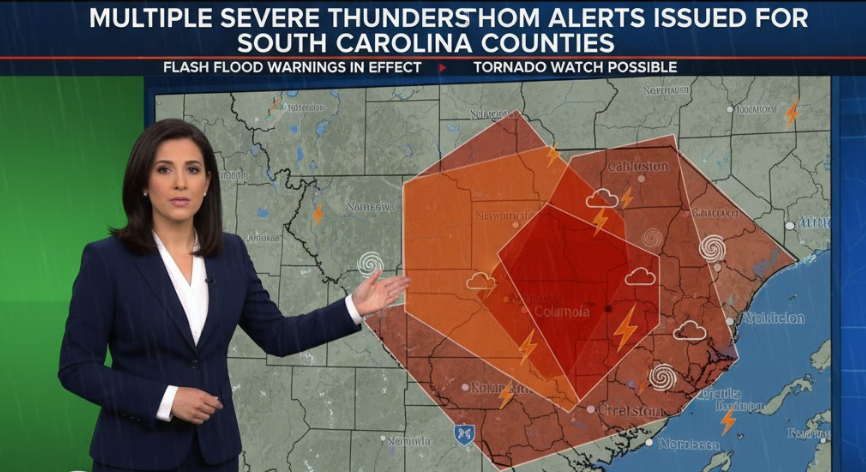
When Multiple Severe Thunderstorm Alerts Issued for South Carolina Counties are active, the impacts are much more than meteorological data points.Residents, first responders, and infrastructure systems feel real-world consequences.
During intense storm events, downed trees and power outages are among the most common outcomes, especially when gusts exceed safe thresholds. Heavy rain can overwhelm urban drainage systems, leading to flash flooding in low-lying areas — a leading cause of weather-related fatalities.
Even outside of direct damage, storm-related disruptions affect transportation, school schedules, and emergency services, highlighting just how embedded weather risks are in daily life across South Carolina.
Safety and Preparedness What Residents Should Do
When authorities issue severe thunderstorm alerts in South Carolina, understanding how to respond can save lives:
- Take immediate shelter in a sturdy building away from windows when authorities issue a warning.
- Avoid travel during active storm alerts, especially in areas prone to flash flooding.
- Listen for updates on NOAA Weather Radio and trusted local media channels.
- Secure outdoor objects that can become projectiles in high winds.
- Have a family disaster plan that outlines where to meet and how to communicate if separated.
Experts also recommend creating a disaster supply kit with essentials including water, non-perishable food, flashlights, and batteries. These preparations are not only useful for thunderstorms but also for other weather-related emergencies.
How Alert Systems Work to Protect Communities
Severe weather alert systems are a coordinated effort between the Storm Prediction Center, local National Weather Service offices, media outlets, and emergency management agencies. These systems provide layered warnings that balance timeliness and accuracy.
Also Read: Levapioli The Complete Guide to Flavor, Culture, and Homemade Perfection
Modern alert technologies can broadcast warnings directly to cell phones within affected areas, ensuring that even individuals far from TVs or radios receive critical updates. This rapid communication loop significantly improves public safety outcomes during severe weather events.
“Authorities update alerts in real-time as conditions evolve. Meteorologists may upgrade a watch to a warning when storms strengthen or radar verification confirms severe activity. Similarly, they can cancel warnings when storms weaken or move out of an area — all to provide residents with the most accurate information possible.
Community and Infrastructure Resilience
Responding to multiple severe thunderstorm alerts also involves community planning and infrastructure resilience. Local governments collaborate with emergency services to preposition resources, clear storm drains, trim trees near power lines, and educate the public on weather preparedness.
Investments in infrastructure such as reinforced power grids and community storm shelters further bolster resilience.
Schools, businesses, and households that incorporate weather response protocols actively reduce overall risk and ensure a more effective reaction when warnings are issued.
Future Outlook Severe Weather Trends in South Carolina
While weather patterns shift year to year, long-term data indicates that South Carolina will continue to experience a significant number of thunderstorms and accompanying severe weather events. Climate variability may influence storm frequency and intensity, making ongoing preparedness essential.
The state’s Hazard Mitigation Plan emphasizes understanding different thunderstorm types, including squall lines and mesoscale convective systems, and the threats they pose — ranging from flash flooding to tornado development.
Meteorological advancements and improved forecasting models help authorities issue alerts with greater lead time, giving residents a better chance to protect themselves and minimize damage.
Conclusion
When Multiple Severe Thunderstorm Alerts Issued for South Carolina Counties appear, they represent more than headlines — they are urgent signals from weather authorities that dangerous atmospheric conditions are occurring or imminent. Understanding what these alerts mean, why they matter, and how to respond can make the difference between safety and harm.
Also Read: OpenFuture World A Vision for a Transparent and Sustainable Future
Severe thunderstorms are a natural part of South Carolina’s climate, especially in transitional seasons. By staying informed, following guidance from trusted weather sources, and preparing in advance with safety plans and emergency kits, individuals and communities can weather severe storm events with confidence. The key to resilience lies in readiness, awareness, and swift action when every minute counts.
FAQs
What triggers a severe thunderstorm alert?
Meteorologists trigger a severe thunderstorm alert when storms produce wind gusts over 58 mph, hail of one inch or larger, or when radar or spotters confirm severe activity.
How can I receive alerts quickly?
Signing up for Wireless Emergency Alerts on your phone and using NOAA Weather Radio are effective ways to receive immediate warnings.
Are tornadoes likely during these events?
While not always, severe thunderstorms can sometimes produce tornadoes when atmospheric conditions are right, and meteorologists issue tornado watches or warnings separately when they detect rotation.
For more updates visit: The BeeBom