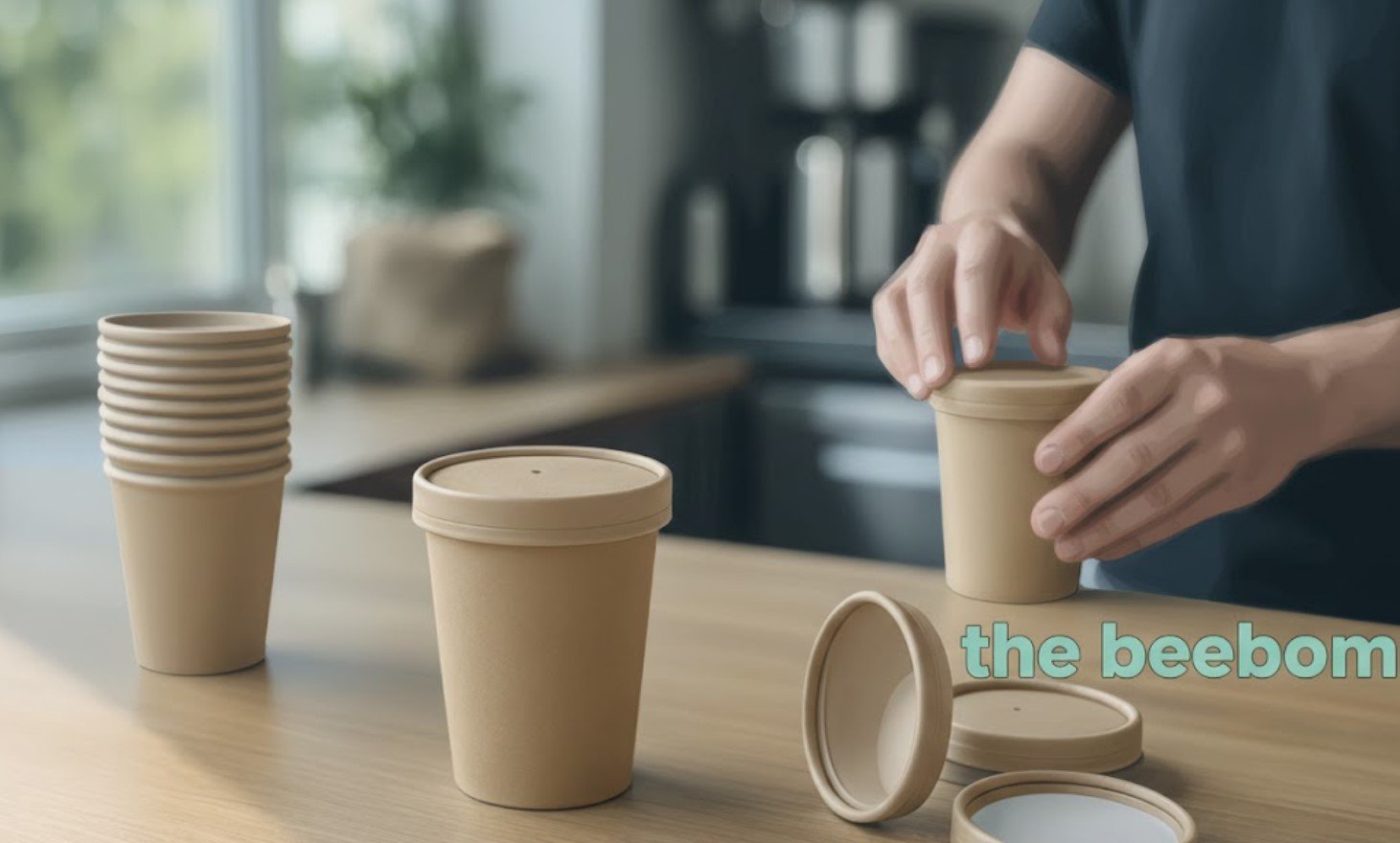
Pappedeckel is a material that quietly supports countless industries, from packaging and publishing to design and manufacturing. Although it may not always be visible to consumers, it plays a critical role in protecting products, enhancing presentation, and supporting sustainability goals. As global demand increases for eco-friendly alternatives to plastic and wood-based materials, this form of rigid paperboard continues to gain relevance. This guide explores its composition, uses, advantages, limitations, and future potential with a clear, authoritative, and experience-driven perspective.
What Pappedeckel Is and How It’s Defined
The term originates from German and is commonly used to describe thick, compressed paperboard. Unlike standard paper or lightweight carton, this material is designed to be rigid, durable, and structurally supportive. It is produced by pressing layers of paper fibers together, resulting in a board that maintains shape while remaining easy to cut and customize.
Internationally, similar materials may be referred to as greyboard, chipboard, or binder board. Despite naming differences, the core properties remain consistent. Strength, recyclability, and adaptability are the defining characteristics that make it suitable for both industrial and creative applications.
How This Material Is Manufactured
Production begins with paper fibers, most often derived from recycled sources. These fibers are mixed with water to create pulp, which is then compressed under controlled pressure and dried into dense sheets. The thickness and surface texture can be adjusted depending on the intended purpose.
Modern manufacturing techniques focus heavily on quality consistency and environmental impact. Many producers minimize waste, reduce water usage, and rely on renewable energy sources. This makes the material an attractive option for companies seeking to meet sustainability standards without compromising performance.
Importance in Modern Packaging Solutions
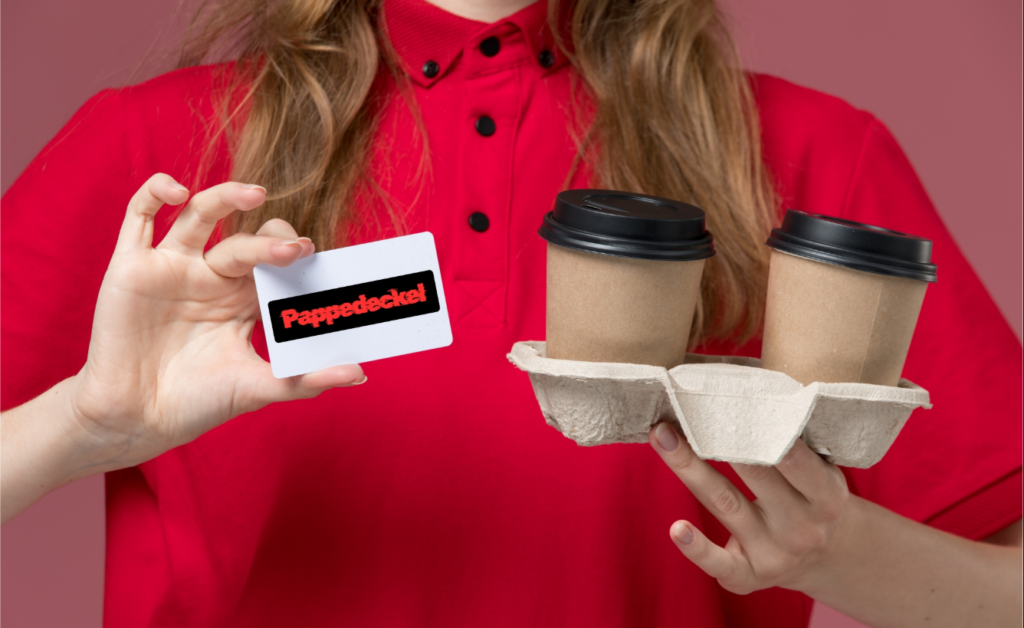
Rigid paperboard has become a preferred choice in packaging because it balances durability with cost efficiency. It provides strong protection for goods during storage and transport while remaining lightweight. Electronics, cosmetics, books, and premium consumer items often rely on this material for outer packaging and structural inserts.
In addition to physical protection, it contributes to brand perception. A well-designed package made from rigid board conveys quality and reliability. When paired with professional printing or finishing, it can elevate the overall customer experience without excessive expense.
Environmental Benefits and Sustainability Impact
One of the strongest advantages of this material is its environmental profile. Because it is commonly made from recycled paper fibers, it reduces demand for virgin raw materials. It is also biodegradable and recyclable, aligning well with circular economy principles.
Also Read: AI Static Models Problem Understanding the Core Limitation of Modern Artificial Intelligence
As governments tighten regulations around plastic usage, businesses are actively transitioning toward fiber-based alternatives. Rigid paperboard supports these efforts by offering a lower carbon footprint and easier end-of-life disposal compared to synthetic materials.
Uses Beyond Packaging
Although packaging is its most visible application, this material is also widely used in publishing. Hardcover books rely on it for structural integrity, ensuring durability over long periods of use. It serves as a stable foundation for cover designs, embossing, and protective coatings.
Designers and architects use it for prototypes, display boards, and temporary structures. Its ease of cutting and shaping makes it ideal for mockups and creative projects. Educational institutions also favor it for models and presentations due to its affordability and strength.
Role in the Food and Beverage Sector
In the food industry, rigid paperboard is primarily used as secondary packaging or as a supportive layer in containers. Bakery boxes, takeaway trays, and frozen food packaging often depend on it for stability.
When combined with food-safe coatings, it can resist grease and moisture while maintaining hygiene standards. This makes it suitable for a range of applications where direct contact is limited or controlled.
Comparison with Alternative Materials
Plastic packaging offers moisture resistance but raises serious environmental concerns. Wood-based materials provide strength but are heavier and less flexible. Rigid paperboard sits between these options, offering sufficient durability while remaining lightweight and eco-conscious.
Also Read: Pi123 Concept, Mathematical Insight, and Real-World Relevance
Its adaptability allows it to replace plastic in many scenarios without sacrificing usability. For businesses aiming to reduce environmental impact while maintaining functionality, it presents a practical compromise.
Printing, Finishing, and Design Capabilities
This material performs exceptionally well in printing applications. Offset and digital printing methods produce sharp visuals and consistent color results, particularly when the surface is coated or laminated.
Design enhancements such as embossing, debossing, foil stamping, and matte or gloss finishes are commonly used to create a premium appearance. These features make it a popular choice for branded packaging and promotional products.
Impact on E-Commerce and Logistics
The rise of e-commerce has increased demand for packaging that is both protective and sustainable. Rigid paperboard meets these requirements by safeguarding products during transit while keeping shipping weight manageable.
It also enhances the unboxing experience, which has become an important marketing factor for online brands. Eco-conscious consumers often associate fiber-based packaging with responsible business practices, strengthening brand trust.
Quality Standards and Certifications
Manufacturers frequently adhere to internationally recognized quality and sustainability standards. Certifications related to recycled content, responsible sourcing, and production safety help ensure reliability and compliance.
These standards are particularly important for industries such as food, pharmaceuticals, and consumer electronics, where material performance and safety are critical.
Cost Efficiency and Commercial Value
From an economic standpoint, this material is highly competitive. The use of recycled inputs helps control costs, and its lightweight nature reduces transportation expenses. Processing and customization are also relatively straightforward, lowering production overhead.
For small businesses, it offers an affordable way to achieve professional packaging. Larger organizations benefit from scalability and consistent supply, making it suitable for high-volume operations.
Limitations and Practical Considerations
Despite its many strengths, rigid paperboard is sensitive to prolonged moisture exposure if left untreated. Protective coatings can address this issue, though they should be selected carefully to preserve recyclability.
It may also offer less impact resistance than certain plastics or metals in extreme conditions. Understanding these limitations allows businesses to design packaging solutions that maximize performance while avoiding misuse.
Innovation and Future Development
Ongoing research continues to improve strength, water resistance, and fiber recovery. New coatings and treatments aim to enhance durability without compromising environmental benefits.
As sustainability becomes a core business priority worldwide, rigid paperboard is expected to play an even larger role in packaging and product design. Its adaptability positions it well for future demand.
Choosing the Right Material Specification
Selecting the appropriate grade depends on thickness, density, surface finish, and intended use. Working closely with suppliers helps ensure consistent quality and optimal performance.
Considering local recycling infrastructure is also important. Choosing materials that can be easily recycled supports environmental claims and reduces waste.
Consumer Perception and Brand Image
Consumers increasingly associate paper-based materials with sustainability and responsibility. When brands communicate their material choices transparently, it builds trust and loyalty.
The tactile feel and visual quality of rigid paperboard packaging often create a premium impression, making it suitable for both everyday products and luxury goods.
Market Trends and Global Demand
Demand continues to grow across global markets, driven by e-commerce expansion and environmental regulations. Both emerging and established economies are investing in fiber-based packaging solutions as recycling infrastructure improves.
This trend reflects the long-term viability of rigid paperboard as a core material in modern manufacturing.
Conclusion
Rigid paperboard remains a practical, sustainable, and versatile material that meets the evolving needs of modern industries. Its balance of strength, affordability, design flexibility, and environmental responsibility ensures continued relevance in packaging, publishing, and beyond.
As innovation advances and sustainability expectations rise, this material is well-positioned to remain a trusted solution for businesses and consumers alike.
FAQs
What industries commonly use this material?
It is widely used in packaging, publishing, design, and food-related applications.
Is it considered environmentally safe?
Yes, it is typically recyclable, biodegradable, and made from recycled fibers.
Can it be printed on easily?
Yes, it supports various printing and finishing techniques with excellent results.
Does it work for premium packaging?
Its rigidity and design flexibility make it suitable for high-end presentation.
Is it replacing plastic packaging?
In many cases, yes, especially where sustainability is a priority.
For more updates visit: The BeeBom
3 thoughts on “Pappedeckel Meaning, Applications, and Why It Matters Today”