
Understanding the Parts of a Guitar is essential whether you are a beginner buying your first instrument or a seasoned musician refining your tone. Every component, from the headstock to the bridge, plays a crucial role in sound production, tuning stability, and overall playability. When you truly understand how each section works together, you not only improve your technique but also make smarter decisions about maintenance, upgrades, and purchases.
Guitars have evolved significantly over the centuries, yet the fundamental structure remains consistent. Whether you’re playing an acoustic, electric, or classical model, the anatomy follows similar principles. This comprehensive guide explores the parts of a guitar in depth, explaining their functions, variations, and impact on sound. By the end, you will have a detailed understanding of guitar anatomy and how each component contributes to tone, sustain, resonance, and comfort.
Understanding the Basic Structure of a Guitar
The modern guitar typically consists of three main sections: the headstock, the neck, and the body. These major divisions contain several smaller components that work together to produce music. While design variations exist between acoustic and electric guitars, the core framework remains consistent.
In acoustic guitars, sound is produced through the vibration of strings amplified by the hollow body. In electric guitars, electromagnetic pickups convert string vibrations into electrical signals. Despite these differences, the essential parts of a guitar remain largely the same.
Also Read: Exhentaime A Comprehensive Guide to Features, Benefits, and Responsible Use
The materials used in construction significantly influence tone. Woods such as mahogany, maple, rosewood, and spruce are carefully selected for their tonal characteristics. Hardware components like tuning machines, frets, and bridges also impact sustain, intonation, and tuning stability.
Headstock The Starting Point of String Tension

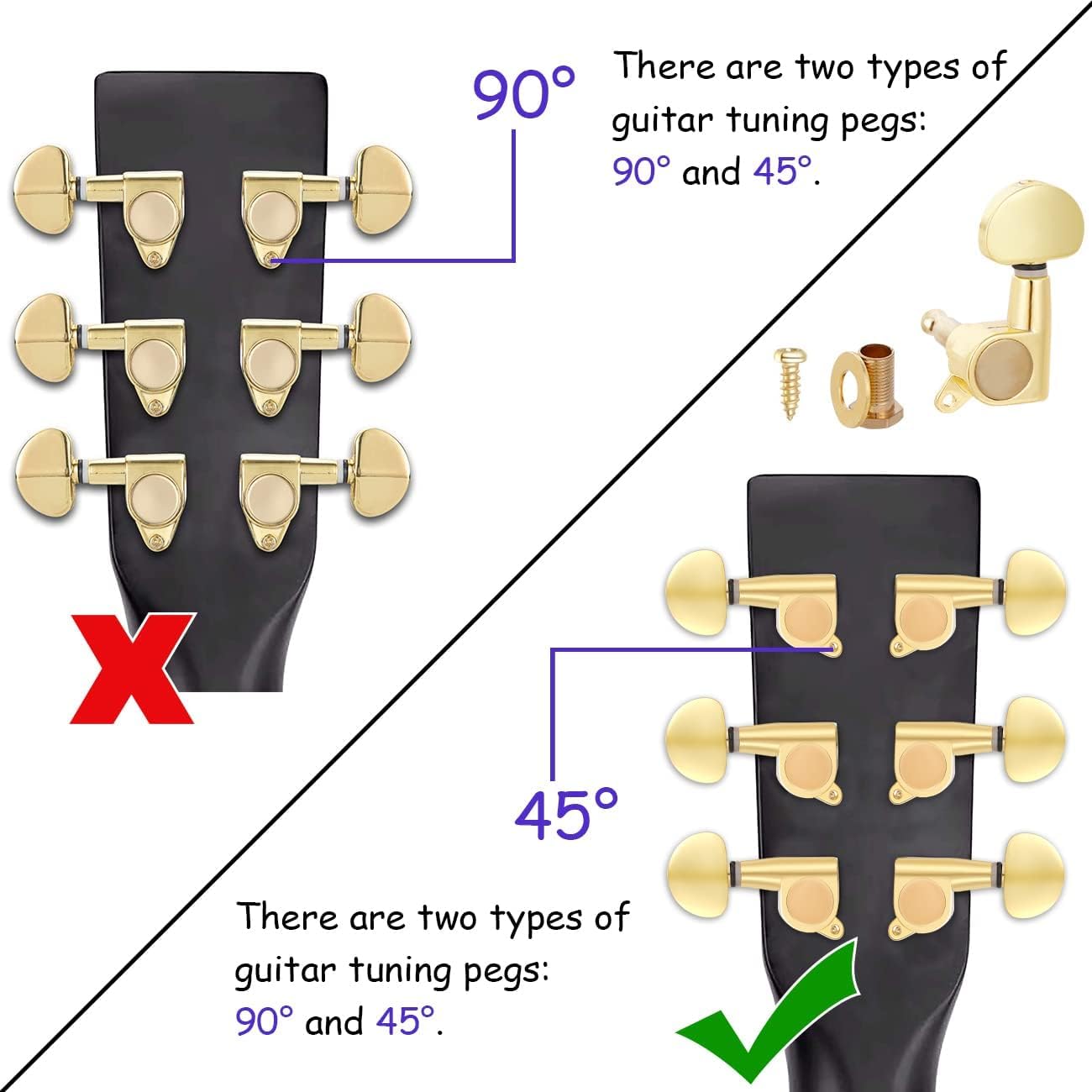

The headstock is located at the top of the guitar and anchors the strings. It plays a crucial role in maintaining tension and tuning accuracy. While often overlooked, it directly influences stability and string alignment.
Tuning Machines and Tuning Pegs
Tuning machines, also called tuners or machine heads, allow players to adjust string pitch. High-quality tuners provide smoother rotation and better tuning stability. Gear ratio is an important specification, as higher ratios allow for finer pitch adjustments.
Locking tuners, commonly found on electric guitars, reduce string slippage and improve tuning consistency during aggressive playing or bending techniques.
The Nut and String Spacing
The nut is a small yet vital component located between the headstock and the fretboard. Typically made from bone, synthetic materials, or graphite, the nut guides the strings and maintains proper spacing. Its height affects action, comfort, and intonation.
Also Read: Levapioli The Complete Guide to Flavor, Culture, and Homemade Perfection
Improperly cut nuts can cause tuning instability or buzzing. Professional setup often involves adjusting nut slots to optimize playability.
The Neck The Pathway of Playability


The neck connects the headstock to the body and supports the fretboard. It significantly impacts playability, comfort, and tonal characteristics.
Fretboard and Frets
The fretboard, also known as the fingerboard, is where players press the strings to create notes. Common materials include rosewood, maple, and ebony. Each wood type influences tone and feel. Maple tends to produce a brighter sound, while rosewood offers warmth and depth.
Frets are metal strips embedded along the fretboard. They divide the neck into precise pitch intervals. Proper fret leveling ensures accurate intonation and smooth bends.
Truss Rod and Neck Stability
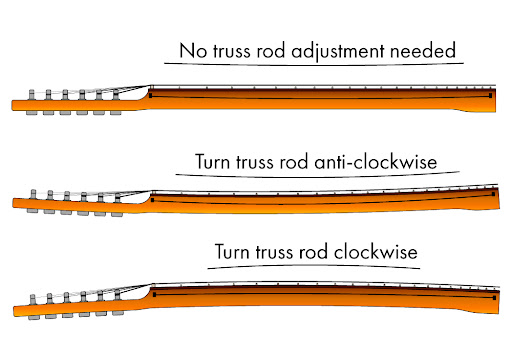
Inside the neck lies the truss rod, a metal rod that counters string tension. Adjusting the truss rod corrects neck curvature, preventing issues such as fret buzz or excessively high action. Seasonal humidity changes can affect neck alignment, making periodic adjustments necessary.
Neck profile and scale length also influence comfort and string tension. Shorter scale lengths reduce tension, making bending easier, while longer scales provide tighter string feel and brighter tone.
The Body Where Sound Comes to Life
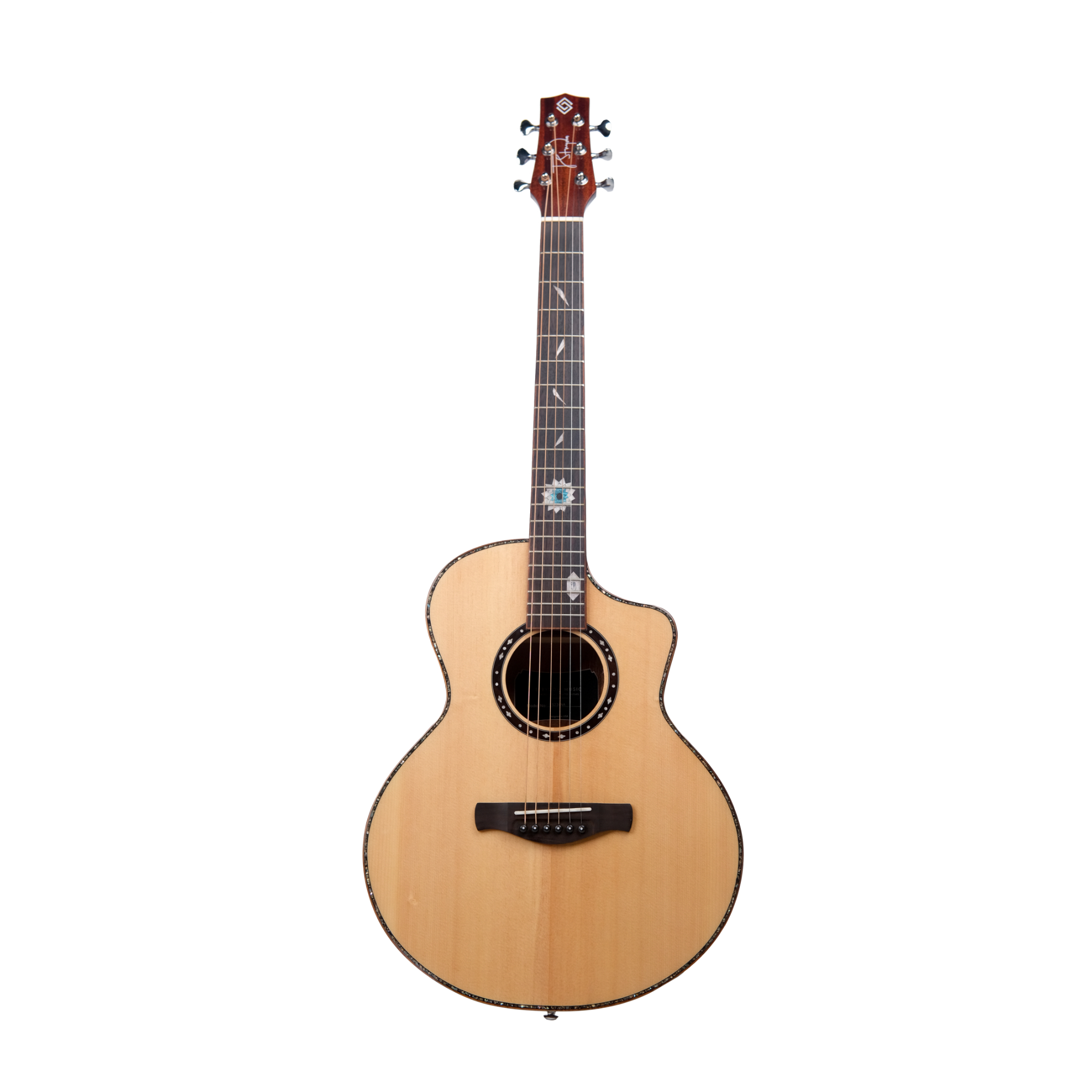


The body is the largest and most visually prominent part of a guitar. Its design determines projection, resonance, and tonal depth.
Acoustic Guitar Body Components
In acoustic guitars, the hollow body amplifies string vibrations. The soundboard, usually made from spruce or cedar, is critical to tonal clarity. The sound hole allows resonance to project outward.
Internal bracing patterns, such as X-bracing, strengthen the top while allowing flexibility. The bridge anchors strings and transfers vibrations to the soundboard. The saddle, positioned on the bridge, influences string height and intonation.
Electric Guitar Body Components
Electric guitars typically feature solid bodies made from woods like alder, mahogany, or ash. Instead of a sound hole, they rely on pickups to amplify vibrations.
The bridge design varies widely. Fixed bridges offer tuning stability, while tremolo systems allow pitch modulation. Body shape also affects comfort and sustain.
Pickups Transforming Vibration into Sound



Pickups are exclusive to electric guitars and are essential parts of a guitar in amplified contexts. They use magnets and wire coils to convert string vibrations into electrical signals.
Single-coil pickups produce bright, crisp tones but may introduce hum. Humbuckers, designed to reduce electrical noise, deliver thicker, warmer sounds. Pickup placement affects tonal output, with neck pickups sounding warmer and bridge pickups offering sharper attack.
Control knobs adjust volume and tone, allowing players to shape sound dynamically. Pickup selectors enable switching between tonal options.
The Bridge Foundation of Intonation and Sustain
The bridge anchors strings to the body and transfers vibrations. In acoustic guitars, it is glued to the soundboard. In electric guitars, it may be fixed or floating.
Bridge saddles determine individual string height and intonation. Precise adjustment ensures accurate pitch across the fretboard. Poor bridge setup can lead to tuning issues and reduced sustain.
Strings The Heart of Tone Production
Strings are central to the parts of a guitar. Made from steel, nickel, or nylon, they vary in gauge and tension. Heavier gauges provide fuller tone and sustain, while lighter gauges offer easier playability.
String material significantly affects sound. Phosphor bronze strings produce warm acoustic tones, while nickel-plated steel is common for electric guitars.
Regular string replacement maintains clarity and prevents corrosion-related tone loss.
Internal Components of Acoustic Guitars
Inside acoustic guitars, bracing patterns provide structural integrity. The top bracing influences tonal balance and projection. Kerfing connects the top and back to the sides, strengthening the body.
These internal elements are invisible but crucial to sound quality and durability.
Hardware and Additional Components
Strap buttons secure straps for standing performance. Pickguards protect the body from scratches. Output jacks in electric guitars transmit signals to amplifiers.
Modern guitars may include onboard preamps and equalizers in acoustic-electric models, enhancing tonal versatility.
Materials and Tonewoods Shaping Sound Identity
Tonewoods significantly influence resonance. Mahogany offers warmth and midrange emphasis. Maple delivers brightness and clarity. Spruce is favored for soundboards due to its strength-to-weight ratio.
Studies in acoustic physics demonstrate that wood density affects vibration transfer. Even subtle material changes alter tonal response.
Maintenance and Care for Guitar Components
Proper maintenance extends lifespan and preserves tone. Regular cleaning prevents grime buildup on fretboards. Humidity control protects wooden parts from cracking or warping.
Professional setup ensures optimal action, intonation, and neck relief. According to industry surveys, properly maintained guitars retain resale value up to thirty percent higher than neglected instruments.
Differences Between Acoustic, Electric, and Classical Guitars
Acoustic guitars rely on hollow bodies and steel strings. Classical guitars use nylon strings and wider necks. Electric guitars incorporate pickups and amplification systems.
Despite structural differences, the fundamental parts of a guitar remain consistent across types.
How Each Component Impacts Sound Quality
Tone results from the interaction of strings, pickups or soundboard, bridge, neck, and body materials. Sustain depends on vibration transfer efficiency. Intonation accuracy relies on precise fret placement and saddle positioning.
Professional luthiers emphasize that even minor adjustments can dramatically change performance quality.
Choosing a Guitar Based on Its Parts
When selecting a guitar, consider neck profile, scale length, pickup configuration, and bridge design. Beginners often prioritize comfort, while professionals may focus on tonal versatility.
Understanding the parts of a guitar empowers informed purchasing decisions and avoids costly mistakes.
Conclusion
Learning the parts of a guitar goes beyond memorizing names. Each component contributes to sound, comfort, and performance. From the tuning machines on the headstock to the bridge anchoring the strings, every detail matters.
Also Read: mylawyer360.com Family Your Trusted Resource for Modern Family Law Guidance
A deep understanding of guitar anatomy enhances playing skill, maintenance knowledge, and appreciation for craftsmanship. Whether you play acoustic melodies or electrifying solos, mastering these components strengthens your musical journey.
FAQs
What are the main parts of a guitar called?
The main sections include the headstock, neck, and body, each containing smaller components such as frets, bridge, and tuning machines.
How do pickups affect guitar tone?
Pickups convert string vibrations into electrical signals, shaping tonal brightness, warmth, and output level.
Why is the truss rod important?
The truss rod maintains neck alignment and prevents warping caused by string tension.
Do different woods change the sound?
Yes, tonewoods significantly influence resonance, sustain, and tonal warmth.
How often should guitar strings be replaced?
Frequency depends on usage, but regular players often change strings every few weeks to maintain optimal tone.
For more updates visit: The BeeBom
1 thought on “Parts of a Guitar A Complete Guide for Beginners and Pros”