



















































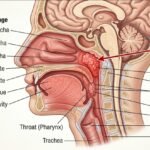
















































Adenoidid, more commonly known in clinical terminology as adenoiditis, refers to the inflammation or infection of the adenoids, a small but significant mass of lymphoid tissue located in the nasopharynx behind the nasal cavity. Although the term “adenoidid” is sometimes used informally, it represents a condition that primarily affects children and can influence breathing, sleep quality, and overall immune function. Understanding adenoidid is essential because early recognition and proper management can prevent complications that may affect a child’s development and quality of life.
Adenoids are part of the body’s immune defense system and act as a first line of protection against airborne pathogens. When these tissues become inflamed due to repeated infections or persistent irritation, the condition known as adenoidid develops. While it is most common in pediatric populations, it can occasionally be seen in adolescents and adults.
Understanding the Anatomy and Role of Adenoids
Adenoids are situated in the upper part of the throat behind the nasal passages and above the soft palate. They form part of Waldeyer’s ring, which includes the tonsils and other lymphoid tissues that work together to trap and respond to pathogens entering through the mouth and nose.
In early childhood, adenoids are relatively large and active because the immune system is still developing. They help identify harmful bacteria and viruses, producing antibodies that assist in fighting infections. Over time, as the immune system matures, adenoids naturally shrink in size. However, during periods of frequent infection, these tissues may become chronically inflamed, leading to adenoidid.
The physiological function of adenoids makes them essential in early immune defense, but their location and structure also make them vulnerable to obstruction and infection when swollen.
Causes of Adenoidid
Adenoidid typically results from repeated exposure to pathogens such as bacteria and viruses. Upper respiratory infections are among the most common triggers. Viral infections like the common cold or influenza can cause temporary inflammation, while bacterial infections may lead to more persistent or severe forms of adenoidid.
Allergic reactions can also contribute to adenoidid. Environmental allergens such as dust, pollen, and pet dander may irritate the nasal passages and adenoids, leading to chronic inflammation. In some cases, enlarged adenoids themselves can trap bacteria, creating a cycle of recurrent infection and swelling.
Also Read: Insoya A Complete Guide to Nutrition, Benefits, and Culinary Uses
Poor air quality, exposure to secondhand smoke, and weakened immune responses are additional factors that can increase susceptibility to adenoidid. Children who attend daycare or school environments are often more exposed to infectious agents, which explains the higher incidence in pediatric populations.
Symptoms and Clinical Features of Adenoidid
The symptoms of adenoidid vary depending on the severity and duration of inflammation. One of the most common signs is nasal obstruction, which can lead to mouth breathing, especially during sleep. This may be accompanied by snoring or restless sleep patterns.
Children with adenoidid may experience chronic nasal discharge, which can be thick and discolored if a bacterial infection is present. Frequent ear infections are also associated with adenoidid because the enlarged adenoids can block the Eustachian tubes, affecting middle ear ventilation.
Other symptoms include difficulty breathing through the nose, speech changes due to nasal blockage, and persistent cough caused by postnasal drip. In more severe or prolonged cases, adenoidid may contribute to sleep disturbances such as obstructive sleep apnea, which can impact cognitive development, behavior, and overall well-being.
Diagnosis of Adenoidid
Diagnosing adenoidid involves a combination of clinical evaluation and diagnostic tools. A healthcare professional typically begins with a thorough medical history and physical examination. Symptoms such as chronic nasal congestion, recurrent infections, and breathing difficulties provide important clues.
Visualization of the adenoids may be achieved using a small flexible endoscope inserted through the nasal passage. This allows direct observation of the size and condition of the adenoids. In some cases, imaging studies such as X-rays of the nasopharynx may be used to assess enlargement.
Laboratory tests are not always necessary but may be helpful in identifying bacterial infections or ruling out other underlying conditions. Accurate diagnosis is crucial in determining whether adenoidid is acute, recurrent, or chronic, as treatment approaches may differ accordingly.
Treatment Options for Adenoidid
Management of adenoidid depends on the underlying cause, severity of symptoms, and frequency of recurrence. In mild cases, conservative treatment is often sufficient. This may include rest, hydration, and medications to relieve symptoms such as nasal congestion and pain.
Antibiotics may be prescribed when a bacterial infection is suspected or confirmed. These help eliminate the infection and reduce inflammation. In cases where allergies contribute to adenoidid, antihistamines or nasal corticosteroids may be recommended to control allergic responses and reduce swelling.
For chronic or recurrent adenoidid that does not respond to medical treatment, surgical removal of the adenoids, known as adenoidectomy, may be considered. This procedure is commonly performed in children who experience frequent infections, breathing difficulties, or sleep disturbances due to enlarged adenoids.
Surgery is generally safe and effective, and many patients experience significant improvement in symptoms after the procedure. The decision to proceed with surgery is made based on clinical evaluation and the impact of the condition on the patient’s health and quality of life.
Complications Associated with Adenoidid
If left untreated, adenoidid can lead to several complications. Chronic nasal obstruction may result in persistent mouth breathing, which can affect facial development in children. This condition, sometimes referred to as “adenoid facies,” may include a long facial structure, open-mouth posture, and dental misalignment.
Frequent ear infections are another common complication due to blockage of the Eustachian tubes. This can lead to temporary hearing loss or fluid accumulation in the middle ear. In some cases, untreated adenoidid may contribute to chronic sinusitis, affecting overall respiratory health.
Sleep disturbances caused by enlarged adenoids can also have long-term consequences, including fatigue, poor concentration, and behavioral issues. Early intervention helps minimize these risks and supports normal growth and development.
Prevention and Management Strategies
Preventing adenoidid involves maintaining good hygiene and reducing exposure to infectious agents. Encouraging regular handwashing, avoiding close contact with individuals who have respiratory infections, and maintaining a clean living environment can help lower the risk.
Managing allergies effectively is also important in preventing chronic inflammation of the adenoids. Identifying and minimizing exposure to allergens can reduce irritation and support respiratory health. Ensuring adequate nutrition and a healthy lifestyle can strengthen the immune system and improve the body’s ability to fight infections.
Regular medical checkups are beneficial, especially for children who experience recurrent respiratory issues. Early detection of adenoidid allows for timely treatment and reduces the likelihood of complications.
Adenoidid in Children Versus Adults
Adenoidid is predominantly a pediatric condition due to the active role adenoids play in early immune development. In children, enlarged adenoids are more likely to become inflamed and symptomatic. As individuals grow older, adenoids typically shrink, which explains why adenoidid is less common in adults.
Also Read: Levapioli The Complete Guide to Flavor, Culture, and Homemade Perfection
When adenoidid does occur in adults, it may be associated with chronic infections, immune disorders, or persistent environmental irritants. The symptoms in adults may resemble those seen in children but are often less pronounced. Nevertheless, proper evaluation is necessary to rule out other underlying conditions.
Long-Term Outlook and Prognosis
The prognosis for adenoidid is generally favorable when diagnosed and treated appropriately. Most cases respond well to medical management, and surgical intervention, when required, is highly effective. Children who receive timely treatment typically experience improvements in breathing, sleep quality, and overall health.
In many instances, adenoid enlargement and associated inflammation resolve over time as the immune system matures. However, ongoing monitoring is important for individuals with recurrent symptoms to ensure that any complications are addressed promptly.
Conclusion
Adenoidid is a common yet often overlooked condition that primarily affects children, involving inflammation of the adenoids and leading to symptoms such as nasal obstruction, recurrent infections, and sleep disturbances. Understanding the anatomy and function of the adenoids provides insight into why this condition occurs and how it impacts overall health.
Early recognition of symptoms, accurate diagnosis, and appropriate treatment are key to managing adenoidid effectively. Whether through medication, allergy management, or surgical intervention, addressing the condition can significantly improve quality of life and prevent complications. With proper care and attention, individuals affected by adenoidid can achieve full recovery and maintain healthy respiratory and immune function.
FAQs
What is adenoidid?
Adenoidid is the inflammation or infection of the adenoids, which are lymphoid tissues located behind the nasal cavity that help the body fight infections.
What causes adenoidid?
It is commonly caused by viral or bacterial infections, and can also be triggered by allergies, irritants like smoke, or repeated exposure to respiratory pathogens.
What are the common symptoms of adenoidid?
Common symptoms include nasal congestion, mouth breathing, snoring, persistent runny nose, ear infections, and difficulty breathing through the nose.
How is adenoidid diagnosed?
Doctors diagnose adenoidid through a physical examination, patient history, and sometimes with a nasal endoscopy or imaging such as an X-ray to assess adenoid size and inflammation.
What is the treatment for adenoidid?
Treatment may include medications such as antibiotics, antihistamines, or nasal sprays, and in chronic or severe cases, surgical removal of the adenoids (adenoidectomy) may be recommended.
For more updates visit: The BeeBom