












































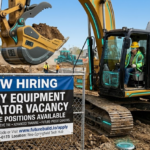























































Heavy Equipment Operator Vacancy

Heavy Equipment Operator Vacancy: Skills, Jobs, and Career Opportunities

The demand for a Heavy Equipment Operator Vacancy continues to rise as global construction, mining, and infrastructure projects expand at an unprecedented pace. Whether it’s building highways, managing large-scale construction sites, or operating machinery in oil and gas industries, skilled operators are essential to keeping industries moving forward.

If you are exploring a career in this field or actively searching for a heavy equipment operator vacancy, understanding the requirements, opportunities, and industry expectations is critical. This guide provides a comprehensive overview designed to help you stand out, secure a role, and grow professionally in this high-demand sector.

Understanding a Heavy Equipment Operator Vacancy

A Heavy Equipment Operator Vacancy typically refers to job openings for professionals trained to operate machinery such as excavators, bulldozers, loaders, cranes, and graders. These roles are crucial in construction, agriculture, mining, and infrastructure development.

Employers seek individuals who not only understand machinery but also prioritize safety, efficiency, and precision. With rapid urbanization and infrastructure investments worldwide, the number of heavy equipment operator vacancies has increased significantly in recent years.

Why Demand for Heavy Equipment Operators Is Growing

The rise in heavy equipment operator vacancy listings is driven by multiple global trends. Governments and private sectors are investing heavily in infrastructure projects such as highways, bridges, housing developments, and renewable energy installations.

Also Read: Adenoidid Causes, Symptoms, Diagnosis, and Treatment Explained

Additionally, aging workforces in many countries have created a gap that new operators must fill. Technological advancements in machinery have also increased the need for trained operators who can handle modern, computerized equipment.

In developing regions, the construction boom has further accelerated job opportunities. In developed economies, replacement demand continues to sustain job openings, ensuring long-term career stability.

Key Responsibilities in a Heavy Equipment Operator Vacancy

A typical heavy equipment operator vacancy involves a range of responsibilities that require both technical and practical expertise. Operators are expected to handle machinery with precision, ensuring tasks are completed efficiently while maintaining safety standards.

Daily duties often include inspecting equipment before and after use, interpreting site plans, and coordinating with other team members. Operators must also ensure machinery is functioning correctly and report any issues promptly.

The role demands physical stamina and mental focus, as operators often work long hours in challenging environments such as construction sites, mines, or remote locations.

Essential Skills Required for Heavy Equipment Operator Jobs

Securing a heavy equipment operator vacancy requires a combination of technical skills and soft skills. Employers prioritize candidates who demonstrate competence, reliability, and a strong safety mindset.

Technical skills include operating different types of machinery, understanding mechanical systems, and performing basic maintenance. Familiarity with GPS systems and digital controls is increasingly important as equipment becomes more advanced.

Also Read: Marathon Voice Actors How Bungie’s Elite Cast Elevates the New Extraction Shooter

Soft skills are equally critical. Communication, teamwork, and problem-solving abilities help operators coordinate effectively with supervisors and colleagues. Attention to detail ensures accuracy, while time management helps meet project deadlines.

Educational Requirements and Training

While formal education requirements for a heavy equipment operator vacancy may vary, most employers require at least a high school diploma or equivalent. However, completing specialized training programs significantly improves job prospects.

Vocational training institutes and technical schools offer courses focused on equipment operation, safety protocols, and maintenance. Apprenticeship programs provide hands-on experience, allowing candidates to learn directly on job sites under professional supervision.

Certifications are often mandatory depending on the region and type of equipment. These certifications validate an operator’s ability to handle machinery safely and efficiently, making them more competitive in the job market.

Types of Equipment You May Operate

A heavy equipment operator vacancy can involve working with various types of machinery, depending on the industry. Excavators are commonly used for digging and trenching, while bulldozers are essential for land clearing and grading.

Cranes require specialized training and are used for lifting heavy materials in construction and industrial settings. Loaders are used for moving materials, and graders help level surfaces for road construction.

Each type of equipment requires specific skills, and operators often specialize in one or more machines to increase their employability.

Industries Offering Heavy Equipment Operator Vacancies

Heavy equipment operator vacancy opportunities exist across multiple industries. Construction remains the largest employer, offering roles in residential, commercial, and infrastructure projects.

Also Read: Alphonse and Edward Elric The Complete Story of Brotherhood, Sacrifice, and Alchemy

The mining industry also provides high-paying opportunities, often in remote locations. Oil and gas companies require operators for drilling and site preparation. Agriculture and forestry sectors employ operators for land management and harvesting activities.

Additionally, government infrastructure projects and public works departments frequently advertise heavy equipment operator vacancies, providing stable employment and benefits.

Salary Expectations and Benefits

One of the main attractions of a heavy equipment operator vacancy is the competitive salary. Earnings vary based on experience, location, and industry.

Entry-level operators typically earn moderate wages, while experienced professionals can command significantly higher salaries. Specialized roles, such as crane operators or those working in hazardous environments, often receive premium pay.

Also Read: lessinvest.com crypto A Deep Insight Into the Platform, Strategy, and Crypto Investment Landscape

Benefits may include health insurance, retirement plans, overtime pay, and allowances for travel or remote work. In some cases, employers provide housing and transportation for workers stationed at distant sites.

How to Find a Heavy Equipment Operator Vacancy

Finding the right heavy equipment operator vacancy requires a strategic approach. Job seekers should explore online job portals, company websites, and recruitment agencies specializing in construction and industrial roles.

Networking is also highly effective. Connecting with industry professionals and attending trade events can uncover hidden opportunities. Many companies prefer referrals, making professional relationships valuable.

Creating a strong resume that highlights certifications, experience, and key skills increases your chances of securing interviews. Tailoring applications to match specific job descriptions is equally important.

Tips to Stand Out When Applying

Competition for a heavy equipment operator vacancy can be intense, especially for high-paying roles. Candidates who demonstrate professionalism and preparedness have a significant advantage.

Gaining multiple certifications shows versatility and commitment. Practical experience, even through internships or apprenticeships, adds credibility. Employers value candidates who can operate different types of machinery.

Highlighting safety awareness is crucial, as companies prioritize accident-free operations. A clean driving record and adherence to safety standards can significantly improve hiring chances.

Safety Considerations in Equipment Operation

Safety is a fundamental aspect of any heavy equipment operator vacancy. Operators must follow strict guidelines to prevent accidents and ensure a safe working environment.

This includes wearing protective gear, conducting regular equipment inspections, and adhering to site regulations. Understanding emergency procedures and hazard identification is essential.

Companies invest heavily in safety training, and operators are expected to maintain high standards at all times. A strong safety record not only protects workers but also enhances career growth opportunities.

Career Growth and Advancement Opportunities

A heavy equipment operator vacancy can serve as the starting point for a rewarding career path. With experience, operators can advance to supervisory or managerial roles.

Also Read: Who is Annie Agar All About the Influencer Making Waves Online

Some professionals transition into specialized fields such as crane operation or equipment inspection. Others move into training roles, teaching new operators the skills required for the job.

Entrepreneurial individuals may even start their own contracting businesses, offering equipment operation services to construction companies and developers.

Future Trends in Heavy Equipment Operator Jobs

The future of heavy equipment operator vacancy opportunities is closely tied to technological advancements. Automation and smart machinery are transforming the industry, requiring operators to adapt to new systems.

GPS-guided equipment, remote-controlled machinery, and data-driven operations are becoming standard. Operators who stay updated with technology will have a competitive edge.

Sustainability is another growing trend. Eco-friendly construction practices and energy-efficient machinery are shaping the future of the industry, creating new skill requirements and job opportunities.

Challenges Faced by Heavy Equipment Operators

While a heavy equipment operator vacancy offers many benefits, the role comes with challenges. Working conditions can be physically demanding and sometimes hazardous.

Operators may face long hours, extreme weather conditions, and high-pressure environments. Remote job locations can also impact work-life balance.

Also Read: When Did Newport News Clothing Go Out of Business?

However, proper training, safety measures, and experience help mitigate these challenges, making the career both manageable and rewarding.

Conclusion

A Heavy Equipment Operator Vacancy represents a promising career opportunity in a rapidly growing industry. With strong demand across construction, mining, and infrastructure sectors, skilled operators are essential for driving global development.

By acquiring the right training, certifications, and experience, candidates can secure stable, well-paying roles with significant growth potential. As technology continues to evolve, operators who adapt and expand their skills will remain in high demand.

Also Read: Understanding 12pvoes Meaning, Context, and Digital Significance

If you are considering this career path, now is an excellent time to explore available opportunities and invest in the skills needed to succeed.

FAQs

What qualifications are required for a heavy equipment operator vacancy?

Most roles require a high school diploma along with specialized training or certification in equipment operation.

Is experience necessary to apply?

While entry-level positions exist, having hands-on experience or completing an apprenticeship significantly improves your chances.

What industries hire heavy equipment operators?

Construction, mining, agriculture, oil and gas, and public infrastructure sectors frequently offer heavy equipment operator vacancies.

Are these jobs high paying?

Yes, experienced operators and those in specialized roles can earn competitive salaries with additional benefits.

For more updates visit: The BeeBom

Comments

No comments yet. Why don’t you start the discussion?

Leave a Reply

Your email address will not be published. Required fields are marked *