







































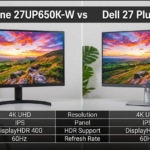




























































LG UltraFine 27UP650K-W vs Dell 27 Plus S2725QS

LG UltraFine 27UP650K-W vs Dell 27 Plus S2725QS The Ultimate 4K Monitor Comparison

Choosing the right 4K monitor can significantly impact your productivity, creative workflow, and overall viewing experience. In this detailed comparison of LG UltraFine 27UP650K-W vs Dell 27 Plus S2725QS, we explore two popular 27-inch UHD displays that cater to professionals, gamers, and everyday users alike. Both monitors promise crisp visuals, accurate colors, and modern design, but subtle differences can determine which one truly fits your needs.

If you’re searching for the best 4K IPS monitor with reliable performance and long-term value, this guide will walk you through everything you need to know. From display quality and color accuracy to ergonomics and connectivity, we’ll break down each aspect with real-world insights and practical analysis.

Design and Build Quality Minimalism Meets Functionality

When comparing LG UltraFine 27UP650K-W vs Dell 27 Plus S2725QS, design plays a key role, especially for users who care about desk aesthetics and ergonomics.

The LG UltraFine 27UP650K-W embraces a clean, minimalist white finish that stands out in modern workspaces. Its slim bezels create a nearly borderless look, making it ideal for multi-monitor setups. The stand is sturdy and supports tilt and height adjustments, though it lacks advanced ergonomic flexibility like swivel or pivot.

Also Read: Alphonse and Edward Elric The Complete Story of Brotherhood, Sacrifice, and Alchemy

On the other hand, the Dell 27 Plus S2725QS leans toward a more professional and understated design. Dell is known for its premium build quality, and this monitor is no exception. The matte black finish and ultra-thin bezels give it a sleek, business-friendly appearance. Its stand typically offers better adjustability, including tilt, swivel, and height, making it more versatile for long working hours.

From an ergonomic standpoint, Dell edges slightly ahead, especially for users who prioritize comfort during extended sessions.

Display Performance 4K Clarity and IPS Excellence

Display quality is where the comparison between LG UltraFine 27UP650K-W vs Dell 27 Plus S2725QS becomes particularly interesting.

Both monitors feature a 27-inch 4K UHD resolution of 3840 x 2160 pixels, delivering sharp text, detailed images, and immersive visuals. Thanks to IPS panel technology, both screens offer wide viewing angles and consistent color reproduction.

The LG UltraFine 27UP650K-W is known for its excellent brightness levels and HDR10 support. While it does not provide true HDR performance due to limited peak brightness, it still enhances contrast and color vibrancy for compatible content. The monitor covers a high percentage of the sRGB spectrum, making it suitable for photo editing and content creation.

The Dell 27 Plus S2725QS also delivers impressive 4K clarity with strong color consistency. Dell often calibrates its displays at the factory, ensuring accurate color reproduction out of the box. This makes it a reliable choice for professionals who require consistent visuals without manual calibration.

In real-world usage, both monitors perform exceptionally well for office work, media consumption, and creative tasks. However, LG may appeal slightly more to users who value vibrant visuals, while Dell offers more balanced and consistent output.

Color Accuracy and Calibration A Key Factor for Creators

LG UltraFine 27UP650K-W vs Dell 27 Plus S2725QS

For photographers, video editors, and designers, color accuracy is critical when evaluating LG UltraFine 27UP650K-W vs Dell 27 Plus S2725QS.

The LG UltraFine 27UP650K-W provides strong color coverage, typically around 95 percent of the DCI-P3 color space. This makes it a solid choice for creative professionals working with high-quality visual content. However, achieving peak accuracy may require manual calibration.

Also Read: Trigun Manga A Complete Exploration of Story, Themes, and Legacy

The Dell 27 Plus S2725QS shines with its factory calibration. Dell’s monitors often come with a calibration report, ensuring precise color accuracy right out of the box. This can save time and effort for users who need reliable color performance without additional setup.

In professional environments where color precision is non-negotiable, Dell holds a slight advantage. However, LG remains highly competitive, especially for users who are comfortable fine-tuning their display settings.

Brightness, Contrast, and HDR Capabilities

Brightness and contrast significantly influence the viewing experience, especially when comparing LG UltraFine 27UP650K-W vs Dell 27 Plus S2725QS.

The LG UltraFine typically offers higher peak brightness, making it more suitable for well-lit environments. Its HDR10 support enhances dynamic range, though it falls short of true HDR performance due to the lack of local dimming.

The Dell 27 Plus S2725QS provides solid brightness levels but may not reach the same peak intensity as LG. However, it compensates with consistent contrast and uniform brightness distribution across the screen.

For users who frequently watch movies or work with HDR content, LG provides a slightly more engaging experience. For general productivity and consistent performance, Dell remains a dependable option.

Connectivity and Ports Versatility Matters

Connectivity is another essential factor when evaluating LG UltraFine 27UP650K-W vs Dell 27 Plus S2725QS.

The LG UltraFine 27UP650K-W includes HDMI and DisplayPort options, along with a headphone jack. While it covers the basics, it lacks USB-C connectivity, which may be a drawback for modern laptop users.

The Dell 27 Plus S2725QS often offers a more comprehensive selection of ports, potentially including USB hubs and additional connectivity options. This makes it more versatile for users who need to connect multiple devices or peripherals.

If you rely on a streamlined setup with multiple accessories, Dell’s connectivity options may better suit your workflow.

Gaming Performance Casual Gaming and Responsiveness

While neither monitor is designed specifically for gaming, the comparison of LG UltraFine 27UP650K-W vs Dell 27 Plus S2725QS still matters for casual gamers.

Both monitors typically feature a 60Hz refresh rate and standard response times. This makes them suitable for casual gaming but not ideal for competitive or fast-paced titles.

Also Read: Yuki Jujutsu Kaisen Power, Philosophy, and Legacy in the Jujutsu World

The LG UltraFine includes AMD FreeSync support, which helps reduce screen tearing and improves overall smoothness during gameplay. This feature gives LG a slight edge for gamers who want a smoother experience without investing in a dedicated gaming monitor.

Dell’s offering focuses more on productivity, with less emphasis on gaming features. However, it still performs adequately for light gaming and multimedia use.

Eye Comfort and Productivity Features

Extended screen time demands features that reduce eye strain, making this an important aspect of LG UltraFine 27UP650K-W vs Dell 27 Plus S2725QS.

Both monitors include flicker-free technology and low blue light modes to minimize eye fatigue. These features are essential for professionals who spend long hours in front of the screen.

Dell often integrates additional productivity tools, such as Easy Arrange software, which helps users organize multiple windows efficiently. This can significantly enhance workflow and multitasking.

LG also provides useful on-screen controls, allowing users to adjust settings quickly and customize their viewing experience.

Price and Value for Money

Price plays a crucial role in deciding between LG UltraFine 27UP650K-W vs Dell 27 Plus S2725QS.

The LG UltraFine is often positioned as a value-oriented 4K monitor with strong performance and vibrant visuals. It offers excellent features at a competitive price point, making it attractive for budget-conscious buyers.

Also Read: Understanding 12pvoes Meaning, Context, and Digital Significance

The Dell 27 Plus S2725QS may come at a slightly higher price, reflecting its premium build quality, ergonomic design, and factory calibration. For professionals who prioritize reliability and comfort, the extra cost can be justified.

Ultimately, both monitors deliver strong value, but the best choice depends on your priorities.

Which Monitor Should You Choose?

Deciding between LG UltraFine 27UP650K-W vs Dell 27 Plus S2725QS depends on your specific needs and preferences.

If you are a content creator or media enthusiast who values vibrant colors and HDR support, the LG UltraFine 27UP650K-W is an excellent choice. Its bright display and wide color gamut make it ideal for creative tasks and entertainment.

If you are a professional who prioritizes accuracy, ergonomics, and long-term comfort, the Dell 27 Plus S2725QS stands out. Its factory calibration and superior adjustability make it a reliable companion for productivity-focused environments.

Conclusion: Final Thoughts on LG UltraFine 27UP650K-W vs Dell 27 Plus S2725QS

The comparison of LG UltraFine 27UP650K-W vs Dell 27 Plus S2725QS highlights two exceptional 4K monitors that cater to different user needs. Both deliver stunning visuals, reliable performance, and modern design, making them strong contenders in the 27-inch UHD category.

Also Read: AI Static Models Problem Understanding the Core Limitation of Modern Artificial Intelligence

The LG UltraFine excels in visual vibrancy and entertainment features, while the Dell 27 Plus offers precision, comfort, and professional-grade reliability. Choosing between them ultimately comes down to whether you prioritize immersive visuals or consistent productivity.

Whichever option you choose, both monitors represent a solid investment in quality and performance.

FAQs

Is LG UltraFine 27UP650K-W better than Dell 27 Plus S2725QS?

It depends on your needs. LG is better for vibrant visuals and HDR content, while Dell excels in color accuracy and ergonomics.

Which monitor is better for photo editing?

The Dell 27 Plus S2725QS is slightly better due to its factory calibration, though LG is also a strong contender with proper calibration.

Are these monitors good for gaming?

Both are suitable for casual gaming, but LG has a slight advantage with AMD FreeSync support.

Do these monitors support USB-C?

Typically, neither model emphasizes USB-C connectivity, so users may need adapters depending on their setup.

For more updates visit: The BeeBom

Comments

No comments yet. Why don’t you start the discussion?

Leave a Reply

Your email address will not be published. Required fields are marked *